Tag Archives: misdiagnosis of child abuse

A County Faces the True Cost of Misdiagnosis

A ground-breaking report from a county controller in Pennsylvania last month articulated the fiscal costs of child abuse misdiagnosis, while a collection of local families propelled the financial story into the news by sharing their own heart-breaking experiences with local governing boards.

“My duty is to be a watchdog of public funds,” explains Lehigh County Controller Mark Pinsley, whose investigation, “The Cost of Misdiagnosis,” concluded that the county wastes money on unnecessary foster care, social and police services, litigation expenses, and more due to the over diagnosis of child abuse.
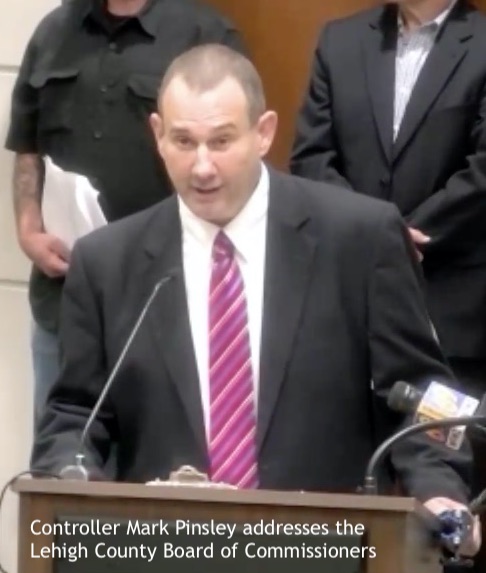
The report reveals that, in the long run, after families have been torn apart and resources have been expended, when cases reach independent appeals boards, judges have been overturning 90% of the county’s findings of “indicated” abuse.
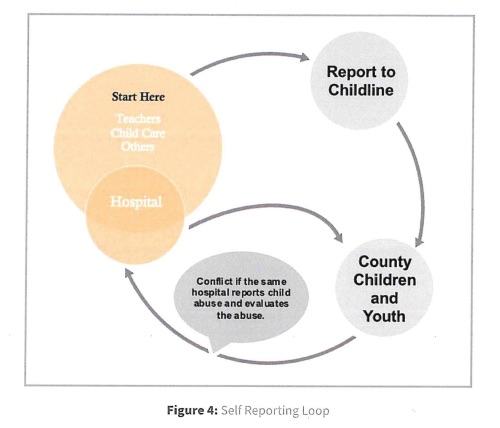
The report also noted the self-reinforcing nature of the process when doctors at local hospitals report potential abuse to the county, which then asks for an investigation by the Child Advocacy Center (CAC) at Lehigh Valley Hospital, run by the same hospital system. The illustration here is from Pinsley’s report.

The families who followed Pinsley at the podium the evening he addressed the Lehigh County Board of Commissioners spoke of their own pain and the damage to their children—even parents who eventually saw the charges dropped and their children returned said they were left emotionally and financially drained. One mother said she divorced her husband to comply with the demands of social services. The official report does not name names, but the parents, one after another, asked that Dr. Debra Esernio-Jenssen, then the director of the CAC, be fired.

So far, the Lehigh County commissioners have only passed the official report on to the state and county Departments of Human Services, but the Lehigh Valley Health Network (LVHN) apparently heard the message: Last week the network announced the appointment of a new director of the CAC and the reassignment of Dr. Esernio-Jenssen to “other” locations.

Pinsley started his investigation earlier this year, when a TikTok video by defense attorney Beth Alison Maloney alerted him to a local cluster of Medical Child Abuse (MCA) diagnoses.
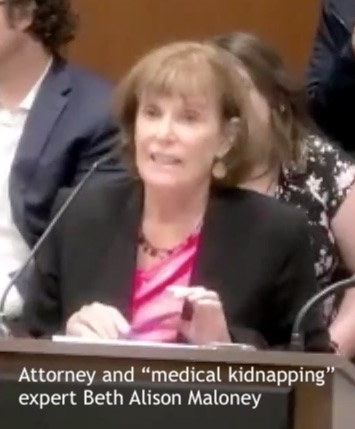
Also known as Munchausen Syndrome by Proxy (MSBP), MCA is a diagnosis directed at a parent who seeks unnecessary medical care for a child, fabricating or even causing mysterious symptoms. With 11% of Pennsylvania’s children, Pinsley’s report notes, Lehigh County and its neighbors Northampton and Carbon Counties account for 40% of the state’s MCA cases, a statistic that points to “potential systemic overdiagnosis of this rare disorder.”

The report cites a number of individual cases in which the child-abuse pediatricians ignored previous diagnoses of rare but legitimate medical conditions by other doctors in favor of MCA, only to backtrack later. The report recommends a number of changes in how the county handles abuse diagnoses, including independent investigation of each case by police and social services, which historically have deferred to the opinions of the local abuse specialists.

After he started his research, Pensley wrote, it became clear that he needed to look beyond MCA, “that the inquiry needed to include other areas, such as shaken baby syndrome, various forms of head trauma, and other rare diseases typically classified as child abuse.” Some of those cases also appear in the report.

Pinsley says he was “not the hero” in this effort; he was merely responding to a call for help from a group of local parents who had organized themselves as the Parents Medical Rights Group (PMRG).

“They didn’t need me,” he insists, “I was like the feather in the Dumbo movie. They could fly; they just needed the confidence to try.”

2024 Update: The parents filed a lawsuit against Dr. Ersonio-Jenssen in February of 2024, and she retired in March.

You can read some of the coverage in the regional paper The Morning Call before the pay wall kicks in:

  • In August, it covered the controller’s report and the first parent presentations to the Lehigh Valley commissioners
  • Last week, it reported the change in leadership at the CAC and a repeat presentation by the parents to the commissioners of neighboring Northampton County.
  • On Sunday it ran an op ed by Pinsley about his report

November 2025 update: A father convicted of murder based on a diagnosis by Dr. Esernio-Jenssen has been released from prison, in a bittersweet development, ‘It’s surreal’: Lehigh Co. man freed after 9 years in prison over flawed testimony on infant death

copyright 2023, Sue Luttner

A few source references, for more information.

If you are not familiar with the debate surrounding Shaken Baby Syndrome, please see the home page of this site.
4 Comments

Filed under Child abuse misdiagnosis

A Personal & Potent Fight for Justice

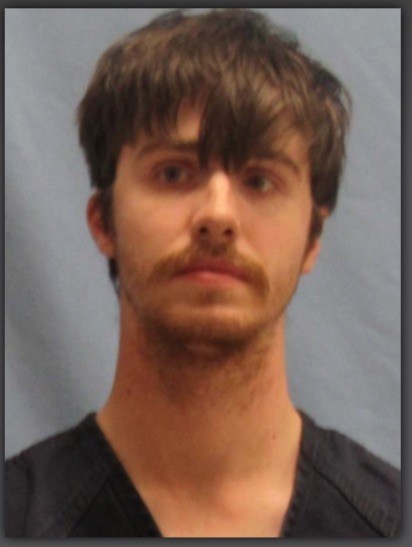
When doctors at the Arkansas Children’s Hospital diagnosed 3-month-old Quincy as a victim of child abuse, the press ran with the story. Medical imaging had revealed 17 fractures to the boy’s tiny bones, and police were targeting his father, Zachary Culp, who worked in the school cafeteria. The community understood that an accused child abuser had been in regular contact with its children.

The day of his arrest, while Zachary waited for processing with other prisoners in the holding tank, a breaking-news bulletin interrupted normal programming on the wall-mounted television to announce the development. His face loomed on the screen.

The first assault came just a few hours later, and the guards were in no hurry to stop the violence. “They beat the crap out of me,” Zachary recalls. “I didn’t think I was going to live the next 72 hours.”

He credits his survival to his uncle, a police detective who’d offered him a set of jailhouse tips before his arrest. When assaulted, Zachary says, he was told to “assume the fetal position, like you’re getting ready for a hurricane.” Zachary lost 48 pounds during the 73 days he spent in jail, he reports, but he did survive.

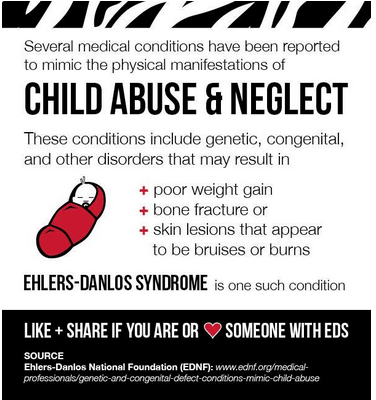
A year later, he was back with his wife Sarah and their son Quincy, after a series of legal and medical developments including Sarah’s diagnosis with Ehlers-Danlos Syndrome (EDS), a genetic condition that would explain the fractures in her son.

“That was all Sarah,” Zachary says. “She has phenomenal research skills.”

Sarah had started by searching on traits they’d noticed about Quincy since birth: easy bruising, blue sclera, lots of spitting up, with slow weight gain—the last diagnosed in Quincy as “failure to thrive.” She found the story of Rebecca Wanosik, a wrongly accused parent who helped form Fractured Families, a support group for families accused of abuse based on a medical misdiagnosis. She learned about EDS and Dr. Michael Hollick in Boston.

Zachary was out on bail by then, but because of a “no-contact” order against him, Sarah took Quincy by herself to Boston for their first consultation.

“Dr. Holick saved our son’s life,” Zachary maintains. At that point, Quincy was so small he had “fallen off the growth charts,” he explains. “He was barely making it. We were desperate for help.”

EDS can’t be confirmed in an infant, but Dr. Holick diagnosed Sarah with EDS and found early signs in Quincy. He also gave Sarah the first useful advice she’d gotten about Quincy’s diet, and her baby started gaining weight. Now 5 years old, Quincy has been diagnosed definitively with Stickler’s Syndrome, another auto-immune condition.

Immediately after his family’s legal ordeal, Zachary Culp became an activist in the arena. A seriously effective activist.

In 2021, only three years after his arrest, Zachary had ushered “Quincy’s Law” through both his state senate and the house: Families accused of abuse in Arkansas based on a medical diagnosis now have the right to a second opinion—like the opinion that finally got Quincy’s health on track.

Zachary based Quincy’s Law (now Act Number 976) on legislation crafted and tweaked by family activists in Texas. He offers advice and a template to families interested in pushing for similar laws in their own states.

Zachary says his political strategy was to approach elected officials personally, “one relationship at a time.” He started with the legislators closest to him, in Pulaski County. He tried to find common ground, ways that he could support their own efforts, with letters or phone calls or outreach. “I like to see what they want to talk about first, before I push my own agenda,” he explains.

He worked his way out in wider geographical circles and up the hierarchy, routinely driving to the state capitol in Little Rock on his days off. He networked with other Arkansas families who had experienced a medical misdiagnosis of abuse.

Zachary recognizes Child Abuse Awareness Month most years—not this year, because a tornado had just ploughed through his part of Arkansas—by taking out an ad in the local newspaper, looking for other accused families.

He and Sarah offer advice and support to the newly accused, who find him through the ads or on Facebook. He’s keeping track of disputed diagnoses by Dr. Karen Farst, the child abuse pediatrician who diagnosed abuse in Quincy’s case.

Last year, he made his first shot at his own seat in the legislature. He lost, but that’s the norm for a first-time candidate. He’s not giving up.

These days, Zachary’s social media feed offers dispatches from EDS and innocence activists, in between celebrations of his family and his church community.

Whatever he does next, Zachary Culp has already proven that one person can make a difference.

Links:

copyright 2023 Sue Luttner

If you are not familiar with the debate surrounding shaken baby syndrome, please see the home page of this blog.

10 Comments

Filed under Child abuse misdiagnosis