And in Florida, the First Coast News has been following the story of a controversial child abuse pediatrician who has now resigned, after leaving jobs in both Wisconsin and Alaska amid complaints like those raised in Florda:
These stories remind me of the parent activists in Leheigh Valley, Pennsylvania, who started organizing in 2023 against their local child abuse expert, ultimately forcing her resignation. My own posting about a report from their county assessor on the costs of misdiagnosis covers some of the group’s first public actions. The headlines from ABC Action News tell the larger tale:
Investigative journalist Pamela Colloff, in a first-rate article last winter in the New York Times (“He Dialed 911 to Save His Baby. Then His Children Were Taken Away“) weaves one family’s compelling story into an examination of the tensions between the physicians who diagnose abuse and the physicians who question the reliability of a Shaken Baby Syndrome diagnosis (now known as Abusive Head Trauma).
A couple of decades ago, after years tracking the footnotes through the medical literature, I concluded that shaken baby theory hit the courtroom before its scientific underpinnings were established, and then the pressures of litigation encouraged child-abuse experts to adopt and defend an early, flawed model of a complex physiological condition. The resulting convictions have calcified unproven core beliefs about both mechanism and timing. Parents of children with rare and misunderstood illnesses and injuries are still paying the price.
-Sue Luttner
If you are not familiar with the debate surrounding Shaken Baby Syndrome, please see the home page of this blog.
In Texas, where the House Criminal Jurisprudence Committee thwarted the Justice Department’s execution last month of convicted father Robert Roberson, the struggle between the governor’s office and the legislature is now playing out both in the courts and in the headlines.
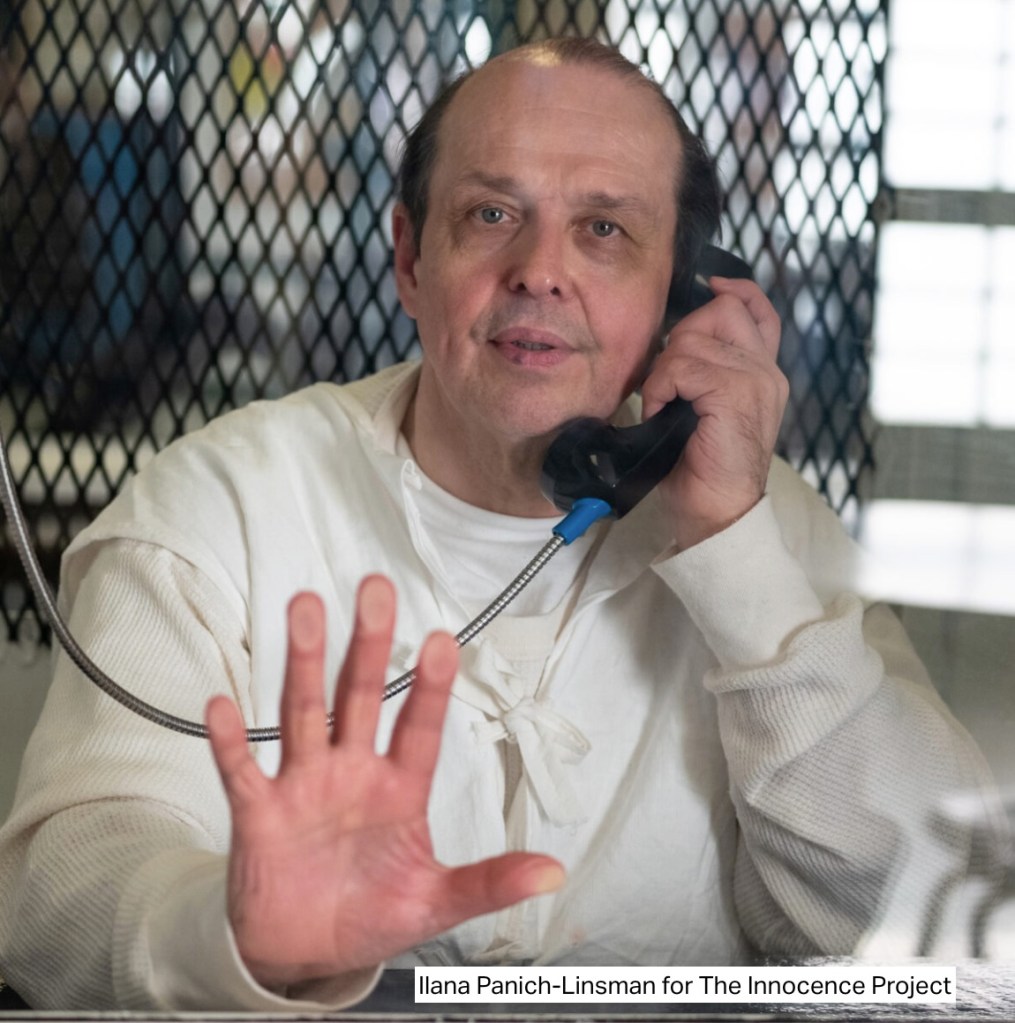
Roberson was convicted in 2003 of murdering his 2-year-old daughter Nikki by shaking, a diagnosis accepted at the time even by his own defense attorney but now in question, both generally and in this case.
Days after the Texas Supreme Court stayed the execution in October, Governor Greg Abbott’s office filed a brief declaring that the legislative committee had “stepped out of line” by usurping the governor’s sole authority over executions (Texas Tribune treatment). Then Lieutenant Governor Ken Paxton issued a statement criticizing the critics and presenting his arguments for Roberson’s guilt. The Fox 4 News coverage summarizes:
“In a newly released statement, Paxton accused State Rep. Joe Moody, a Democrat from El Paso who chairs the committee, and Plano Republican State Rep. Jeff Leach of lying about the details in the case.
“The attorney general also argued for Roberson’s execution, saying evidence showed his daughter died from being beaten by her father.”
The Committee responded with its own refutation of the AG’s statement, which had included both a “jailhouse confession” rejected at the time by the prosecution as not credible and quotes from a witness whose testimony was contradicted by the medical records. Coverage from the Dallas Morning News, reprinted in the Union Bulletin, offered this observation,
“The News’ review found Paxton’s statement and recent court filings by lawmakers have deviated from the trial record by introducing allegations that were either dropped at trial, not presented by prosecutors or discussed when the jury was outside the courtroom.”
Meanwhile, Roberson has not yet testified in front of the legislature, blocked by AG Paxton (Texas Tribune coverage) as the jurisdiction struggle works its way through the courts. CNN reports that any new execution date will have to be set at least 90 days in advance, meaning Roberson can’t be executed during this calendar year.
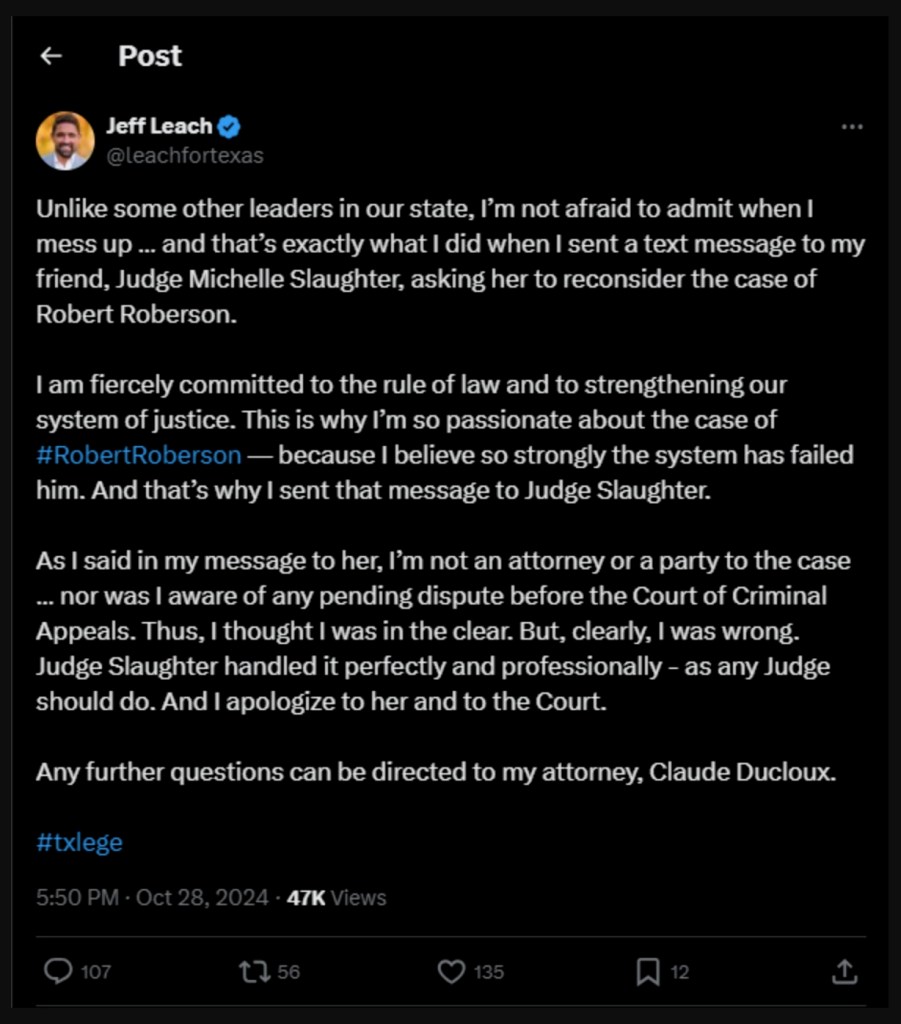
The attorney general’s office has pushed back hard against Robert’s supporters. AG Paxton has called for the resignation of legislator Jeff Leach, who admits to having sent a personal email to a Texas criminal appeals judge on the subject, contrary to the rules for attorneys—his confession to the crime appears in the sidebar of this paragraph.
The legislators are arguing that the state consistently refused to take a second look at Roberson’s case despite the 2013 passage of a “junk science” law, Article 11.073, intended to let prisoners appeal their cases when advances in forensic science raise questions about their convictions. While the Texas law was the first of its kind in the nation, inspiring other states to adopt similar measures, critics maintain that Texas courts have resisted appeals filed under Article 11.073 (Texas Tribune coverage). The legislators say their goal is to look into how the law is being implemented
A Texas Court of Criminal Appeals ordered a new look at Roberson’s case in 2016, based on an Article 11.073 filing. The Innocence Project offers this summary of the proceedings that resulted:
“His case was sent back to the trial court, which conducted a nine-day evidentiary hearing in 2021. There, experts explained that SBS had been discredited and provided compelling evidence that Nikki died of natural and accidental causes. A pathologist testified that Nikki suffered from a severe form of undiagnosed viral pneumonia that has since been more widely understood due to COVID-19. Signs of Nikki’s advanced pneumonia were noted in her autopsy but, at the time, were unexplained. Tragically, unaware of Nikki’s pneumonia, her treating doctors prescribed her with high levels of prescription medication (found in autopsy toxicology results) that are now understood to be deadly in children of Nikki’s age and in her condition. And biomechanical evidence now shows that short falls like Nikki’s can cause severe injury and even death, an explanation for Nikki’s condition that was vehemently rejected by every medical witness who had testified at her trial
“The trial court ignored new evidence from six expert witnesses and rubber-stamped the prosecution’s 17-page proposed findings of fact and conclusions of law, which relied almost exclusively on the outdated scientific evidence introduced at the 2003 trial and conducted when the medical establishment accepted unquestioningly that the triad of intracranial conditions observed in Nikki could be used to ‘diagnose’ shaking and abuse.”
The state Supreme Court, which handles civil cases, is looking only at the jurisdictional dispute.
Meanwhile, three of the five criminal appeals court judges who approved Roberson’s execution in the past are leaving the panel this year, ousted in primary challenges pushed by Paxton. Depending on who is elected to fill those seats, the new court that must approve the execution could become either more or less sympathetic to defense arguments, as detailed by an analysis in the Texas Tribune.
Meanwhile, the public struggle has reignited the debate over shaking theory in the state, national, and international arenas:
An entertaining detail: The first Scientific American op ed listed above includes a quote in the near-final paragraph attributed to pioneering pediatric neurosurgeon Norman Guthkelch, the first person who proposed in print, in 1971, that shaking an infant without impact could cause subural hematoma. The authors report Dr. Guthkelch’s regret that his “friendly suggestion for avoiding injury to children has become an excuse for imprisoning innocent parents.” Although the article doesn’t identify the source of the quote, the highlighted text links to my 2013 posting on this blog, “Dr. Norman Guthkelch, Still on the Medical Frontier,” written after I travelled to interview him in person. The page includes video of key portions of our talk, so I guess the editors gave it the authenticity nod.
June 2025 update: The state has requested a new execution date for Robert Roberson, event though his case is still under appeal, according to KERA news in north Texas.
If you’re not familiar with the debate surrounding SBS/AHT, please see the home page of this blog.
The scheduled execution of convicted father Robert Roberson in Texas on October 17 has inspired a surge of activism from around the world by doctors, lawyers, scientists, journalists, non-profits, and families wrongly accused of child abuse.
This month in D Magazine, in a story titled “Will Texas Kill This Innocent Man?”, best-selling novelist John Grisham lays out the medical complexities of the case, concluding that Roberson’s daughter died of natural and accidental causes, not Shaken Baby Syndrome (SBS).
The Innocence Project has launched a last-chance public petition, and a coalition of wrongly accused parents in Europe, Adikia, has stepped up not only to gather signatures from families internationally but also to promote an on-line symposium on SBS early next month, organized by the Cato Institute in response to the scheduled execution.
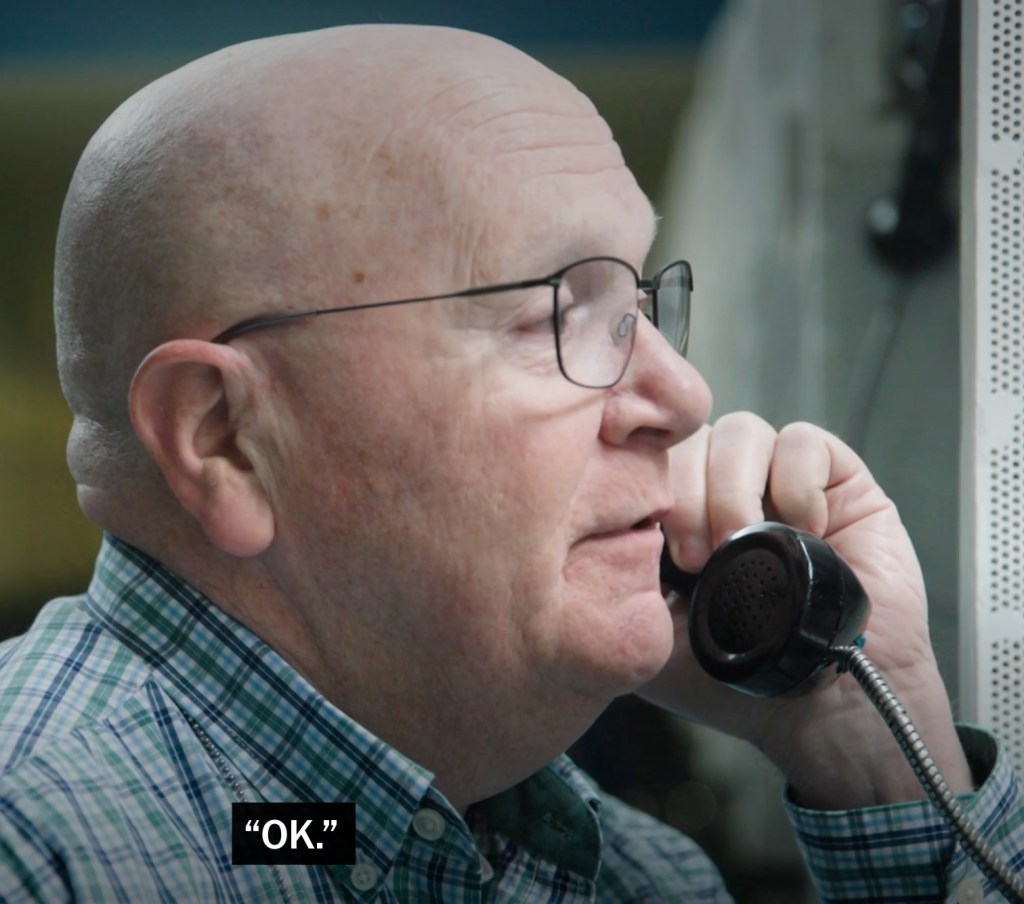
In July, The New York Times posted a video opinion piece by Rev. Brian Wharton, once the detective in charge of the investigation and now an advocate for Roberson’s innocence.
Wharton didn’t know at the time, he says, that Roberson is on the autism spectrum, which explains the “flat aspect” that had seemed consistent with the abuse diagnosis. “No other possibilities for her injuries were considered,” he sighs. “I deeply regret that we followed the easiest path.”
Earlier this week, Roberson’s defense team filed a clemency petition with Texas Governor Greg Abbott and the Texas Pardons Board, pulling together the medical, scientific, and legal arguments against the execution and providing a collection of support documents from medical and legal professionals, political and civil liberty organizations, autism and parent-support groups, 84 members of the Texas House of Representatives, and the mother of a former classmate of Roberson’s who describes him as “a gentle soul.”
Robert Roberson, an Autistic Father Wrongfully Convicted and Sentenced to Death in Texas Based on the Debunked “Shaken Baby Syndrome” Hypothesis, Applies for Clemency to Stop his October 17th Scheduled Execution
Medical and Scientific Experts, Bipartisan Texas Lawmakers, Advocates for Parental Rights, Autism Organizations, Best-Selling Novelist John Grisham, Former Lead Detective Brian Wharton, Innocence Groups, the Texas Catholic Conference of Bishops, and Dozens of Others Urge Texas Pardons Board to Recommend, and Gov. Greg Abbott to Grant, Clemency
(Austin, Texas, Tuesday, September 17, 2024) Today, 34 eminent scientists and doctors, a bipartisan group of 84 Texas legislators, 8 advocates for parental rights, 8 organizations that advocate for people with Autism and their families, faith leaders, innocence advocacy groups, former judges, 70 attorneys who have represented people wrongfully accused of child abuse, and former lead detective Brian Wharton, among others, filed letters in support of Robert Roberson’s clemency petition to the Texas Board of Pardons and Paroles and Governor Greg Abbott. (Exhibits 7, 15-23.)
Mr. Roberson’s petition describes the new medical and scientific evidence that his jury never heard showing that no homicide occurred. Mr. Roberson’s two-year-old, chronically ill daughter, Nikki, actually died of severe viral and bacterial pneumonia that medical professionals missed in 2002, not because of any abuse. Her illness progressed to sepsis and then septic shock, a process likely precipitated by the dangerous respiratory-suppressing medications she was prescribed during her last days, all of which has now been established by detailed reports from highly qualified medical specialists.
No court has been willing to consider three new expert reports showing how Nikki died of pneumonia, proof that Mr. Roberson is innocent of any crime.
The power of Mr. Roberson’s innocence claim is attracting diverse and widespread support, including from best-selling novelist John Grisham, who said, “This isn’t a case where the system got the wrong guy, but rather one where no crime took place at all. Something must be done to stop Robert’s execution. Governor Abbott and the Board of Pardons and Paroles can prevent an irreparable injustice by granting him clemency.”
Brian Wharton, the lead detective in charge of investigating Nikki’s death who directed that Mr. Roberson be arrested based on a doctor’s Shaken Baby hypothesis made even before an autopsy was performed, and who testified for the prosecution at trial, has come to believe Mr. Roberson is innocent and has filed a letter of support, urging clemency.
“I will forever be haunted by the role I played in helping the State put this innocent man on death row,” said Brian Wharton. “Robert’s case will forever be a burden on my heart and soul. But it is not too late for Texas to change course and stop his execution. I sincerely hope that Governor Abbott and the Board will step in to do so.” (See also Exhibit 7.)
Mr. Roberson is scheduled for execution on October 17, 2024, and is at risk of being the first person in the United States executed based on the discredited “Shaken Baby Syndrome” hypothesis, unless the courts or Governor Abbott intervenes.
A combination of Nikki’s undiagnosed pneumonia, medications that suppressed her breathing, an accidental fall, and the medical triage undertaken after her collapse entirely explain Nikki’s condition.
Mr. Roberson’s clemency petition states:
“Nikki’s death … was not a crime—unless it is a crime for a parent to be unable to explain complex medical problems that even trained medical professionals failed to understand at the time. We now know that Nikki’s lungs were severely infected and straining for oxygen—for days or even weeks before her collapse. A recent reexamination of lung tissue collected during her autopsy has revealed that both a chronic interstitial viral pneumonia and a secondary acute bacterial pneumonia were ravishing her lungs, causing sepsis and then septic shock.
“In the days before her collapse, Robert repeatedly took Nikki to the local Emergency Room (ER) and to her pediatrician in rural Palestine, Texas, seeking help. But unaware of her severe pneumonia, doctors sent her home with medications that would only have made her condition worse. As an expert in medical toxicology has now explained, the medications prescribed to her—Phenergan (the brand name for promethazine) and codeine—would only have further suppressed Nikki’s ability to take in oxygen. Codeine is a narcotic, not recommended for anyone under age eighteen; Phenergan now has FDA “black box warnings” against prescribing it to children Nikki’s age and in her condition precisely because it can suppress breathing and result in death. These potent, respiratory-suppressing drugs certainly were not designed to treat a toddler’s severe respiratory illness, i.e., pneumonia.” (Petition at pp. 4-5.)
On the night of January 30, 2002, Mr. Roberson heard a “strange cry” and woke up to find Nikki lying on the floor at the foot of the bed. Mr. Roberson comforted Nikki and wiped a small speck of blood off her mouth but did not observe anything else wrong. They eventually fell back asleep. But when he woke up a few hours later, Mr. Roberson found Nikki unconscious with blue lips. He was horrified and tried to revive her. Then he took her to the ER.
More than 30 medical and scientific experts have written to the Board of Pardons and Paroles stating:
“There was no differential diagnosis undertaken at that time because, in 2003, presuming abuse was recommended pursuant to the Shaken Baby Syndrome hypothesis, then treated as medical orthodoxy. Today, no reputable medical doctor would fail to conduct a thorough, multi-disciplined exploration of all possible causes of death because it is now known that many phenomena—including accidental short falls and naturally occurring disease—can cause the same intracranial conditions that ‘mimic’ inflicted head injury.” (Petition at Exhibit 15.) If Nikki died today, instead of presuming Nikki’s condition was caused by abuse, no doctor would consider Shaken Baby Syndrome as the cause of Nikki’s death because SBS is now considered a diagnosis of exclusion; Nikki’s pneumonia, the extreme levels of dangerous medications found in her system during her autopsy, and her fall from the bed explain why Nikki died.
Mr. Roberson’s Autism – which was not known to the hospital staff and was not diagnosed until 2018 – played a pivotal role in the rush to judgment in his case.
Hospital staff interpreted Mr. Roberson’s seemingly blank reaction to Nikki’s serious condition as callousness, when in fact his Autism explained his non-neurotypical response to the emergency. (Petition at Exhibit 17) (Letter of support from eight state and national advocacy groups for people with Autism and their families.)
“Robert Roberson’s Autism, which affects social and emotional processing, led to a lack of visible emotional response—a characteristic misinterpreted during his trial as a sign of guilt,” said Christopher Banks, President and CEO of the Autism Society of America. “This tragic misjudgment, combined with the absence of expert testimony on Autism, culminated in a wrongful conviction, in which we urge Governor Abbott to grant clemency.”
“The prosecution’s reliance on misjudgment and bias against Mr. Roberson’s Autistic behavior suggests a rush to judgment substantially influenced by criminalizing disability,” said Jacquie Benestante, Executive Director of the Autism Society of Texas. “We are calling for justice and clemency, urging Governor Abbott and the Board of Pardons and Paroles to consider the compelling evidence and prevent a wrongful execution.”
A bipartisan group of 84 Texas lawmakers wrote the Board separately this week, urging it to recommend clemency for Mr. Roberson “out of grave concern that Texas may put him to death for a crime that did not occur.”
The lawmakers emphasized that, more than 10 years ago, the Texas House unanimously passed a law to allow challenges to convictions based on disproven or incomplete science. They have been “dismayed to learn that this law has not been applied as intended and has not been a pathway to relief – or even a new trial – for people like Mr. Roberson. In his case, significant scientific and medical evidence now shows that his daughter Nikki, who was chronically ill, died of a combination of natural and accidental causes, not the debunked shaken baby syndrome hypothesis the State used to convict Mr. Roberson.” (Exhibit 16.)
The lawmakers further emphasized that the House also passed a law in 2021 “which now ensures that parents have the right to a second expert medical opinion after allegations of child abuse. Had these events occurred today, Mr. Roberson would have been legally entitled to an additional medical review at his request.” (Exhibit 16.)
Eight advocates for parental rights wrote to the Governor and the Board that Mr. Roberson’s case “demonstrates a shocking disregard for his parental rights.” They explained:
“Abuse was the default – and wrong – assumption before any determination was made about Nikki’s medical condition. Mr. Roberson was viewed with suspicion from the outset because of symptoms associated with his then-undiagnosed autism spectrum disorder.
“Because of these egregious factors, Mr. Roberson was denied the ability to see Nikki in the hospital, and he was arrested before an autopsy was even performed. What’s more, Mr. Roberson was not advised of any end-of-life decisions being made for Nikki despite having full custody … Clemency is necessary to prevent the irreparable harm of executing this innocent parent.” (Exhibit 18.)
Mr. Roberson’s clemency petition includes numerous letters of support from his spiritual advisors, friends, and supporters who attest to his faithful, peaceful and loving nature.
He has completed some 60 different Bible study courses and has had a virtually pristine disciplinary record during his many years in prison. Because of his record of peacefulness, he was selected to be in the very first faith-based program on death row. In addition, he was one of only 13 men selected to participate in an experimental “group rec” program that allowed him to move freely on the pod with others determined to be no threat to anyone. (Petition at p. 38, 52.) Many people attest to his empathy and concern for others over himself. For example, his spiritual advisor, Donna Drake Farmer, has written that Mr. Roberson’s support for her while she was caring for her dying husband gave her peace and that Mr. Roberson “probably knows more of my concerns and worries than my birth children do.” (Petition at p. 56, Exhibit 23.)
An overview of Robert Roberson’s innocence case is here.
A photo of Mr. Roberson can be accessed here. Source: Roberson Family.
Watch New York Times Opinion Video showing meeting between lead detective Brian Wharton and Robert Roberson here.
A ground-breaking report from a county controller in Pennsylvania last month articulated the fiscal costs of child abuse misdiagnosis, while a collection of local families propelled the financial story into the news by sharing their own heart-breaking experiences with local governing boards.
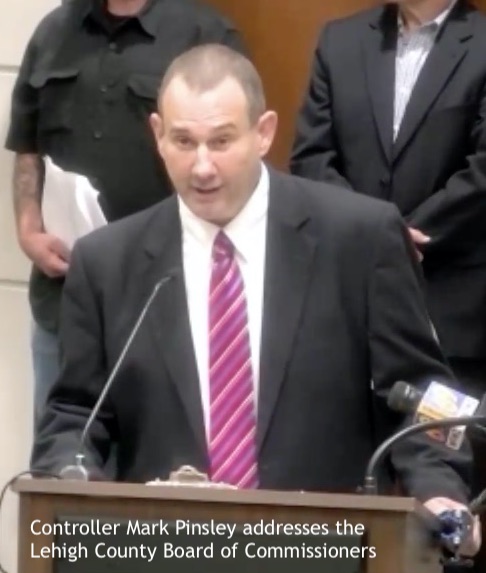
“My duty is to be a watchdog of public funds,” explains Lehigh County Controller Mark Pinsley, whose investigation, “The Cost of Misdiagnosis,” concluded that the county wastes money on unnecessary foster care, social and police services, litigation expenses, and more due to the over diagnosis of child abuse.
The report reveals that, in the long run, after families have been torn apart and resources have been expended, when cases reach independent appeals boards, judges have been overturning 90% of the county’s findings of “indicated” abuse.
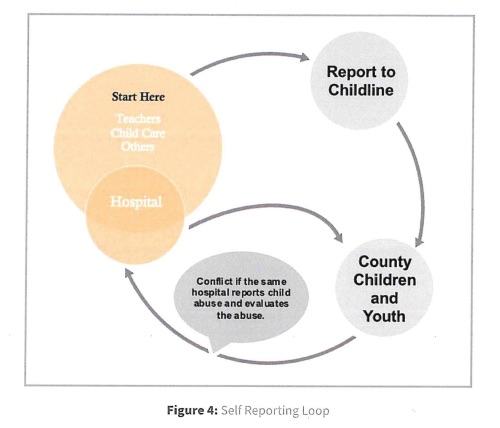
The report also noted the self-reinforcing nature of the process when doctors at local hospitals report potential abuse to the county, which then asks for an investigation by the Child Advocacy Center (CAC) at Lehigh Valley Hospital, run by the same hospital system. The illustration here is from Pinsley’s report.
The families who followed Pinsley at the podium the evening he addressed the Lehigh County Board of Commissioners spoke of their own pain and the damage to their children—even parents who eventually saw the charges dropped and their children returned said they were left emotionally and financially drained. One mother said she divorced her husband to comply with the demands of social services. The official report does not name names, but the parents, one after another, asked that Dr. Debra Esernio-Jenssen, then the director of the CAC, be fired.
So far, the Lehigh County commissioners have only passed the official report on to the state and county Departments of Human Services, but the Lehigh Valley Health Network (LVHN) apparently heard the message: Last week the network announced the appointment of a new director of the CAC and the reassignment of Dr. Esernio-Jenssen to “other” locations.
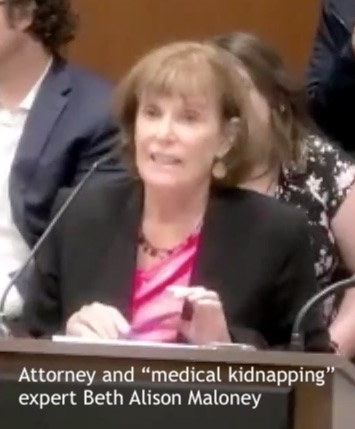
Pinsley started his investigation earlier this year, when a TikTok video by defense attorney Beth Alison Maloney alerted him to a local cluster of Medical Child Abuse (MCA) diagnoses.
Also known as Munchausen Syndrome by Proxy (MSBP), MCA is a diagnosis directed at a parent who seeks unnecessary medical care for a child, fabricating or even causing mysterious symptoms. With 11% of Pennsylvania’s children, Pinsley’s report notes, Lehigh County and its neighbors Northampton and Carbon Counties account for 40% of the state’s MCA cases, a statistic that points to “potential systemic overdiagnosis of this rare disorder.”
The report cites a number of individual cases in which the child-abuse pediatricians ignored previous diagnoses of rare but legitimate medical conditions by other doctors in favor of MCA, only to backtrack later. The report recommends a number of changes in how the county handles abuse diagnoses, including independent investigation of each case by police and social services, which historically have deferred to the opinions of the local abuse specialists.
After he started his research, Pensley wrote, it became clear that he needed to look beyond MCA, “that the inquiry needed to include other areas, such as shaken baby syndrome, various forms of head trauma, and other rare diseases typically classified as child abuse.” Some of those cases also appear in the report.
Pinsley says he was “not the hero” in this effort; he was merely responding to a call for help from a group of local parents who had organized themselves as the Parents Medical Rights Group (PMRG).
“They didn’t need me,” he insists, “I was like the feather in the Dumbo movie. They could fly; they just needed the confidence to try.”
2024 Update: The parents filed a lawsuit against Dr. Ersonio-Jenssen in February of 2024, and she retired in March.
You can read some of the coverage in the regional paper The Morning Call before the pay wall kicks in:
In August, it covered the controller’s report and the first parent presentations to the Lehigh Valley commissioners
Last week, it reported the change in leadership at the CAC and a repeat presentation by the parents to the commissioners of neighboring Northampton County.
On Sunday it ran an op ed by Pinsley about his report
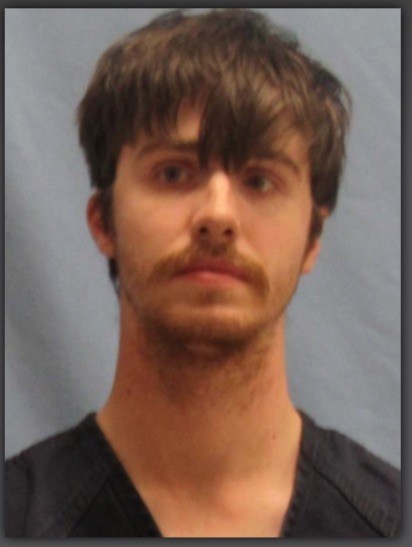
When doctors at the Arkansas Children’s Hospital diagnosed 3-month-old Quincy as a victim of child abuse, the press ran with the story. Medical imaging had revealed 17 fractures to the boy’s tiny bones, and police were targeting his father, Zachary Culp, who worked in the school cafeteria. The community understood that an accused child abuser had been in regular contact with its children.
The day of his arrest, while Zachary waited for processing with other prisoners in the holding tank, a breaking-news bulletin interrupted normal programming on the wall-mounted television to announce the development. His face loomed on the screen.
The first assault came just a few hours later, and the guards were in no hurry to stop the violence. “They beat the crap out of me,” Zachary recalls. “I didn’t think I was going to live the next 72 hours.”
He credits his survival to his uncle, a police detective who’d offered him a set of jailhouse tips before his arrest. When assaulted, Zachary says, he was told to “assume the fetal position, like you’re getting ready for a hurricane.” Zachary lost 48 pounds during the 73 days he spent in jail, he reports, but he did survive.
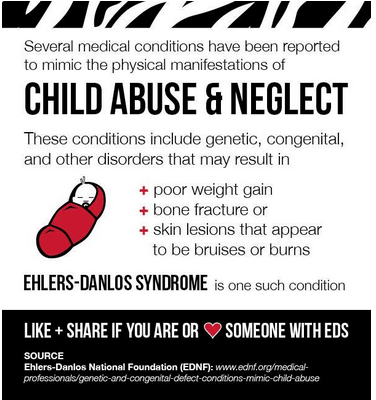
A year later, he was back with his wife Sarah and their son Quincy, after a series of legal and medical developments including Sarah’s diagnosis with Ehlers-Danlos Syndrome (EDS), a genetic condition that would explain the fractures in her son.
“That was all Sarah,” Zachary says. “She has phenomenal research skills.”
Sarah had started by searching on traits they’d noticed about Quincy since birth: easy bruising, blue sclera, lots of spitting up, with slow weight gain—the last diagnosed in Quincy as “failure to thrive.” She found the story of Rebecca Wanosik, a wrongly accused parent who helped form Fractured Families, a support group for families accused of abuse based on a medical misdiagnosis. She learned about EDS and Dr. Michael Hollick in Boston.
Zachary was out on bail by then, but because of a “no-contact” order against him, Sarah took Quincy by herself to Boston for their first consultation.
“Dr. Holick saved our son’s life,” Zachary maintains. At that point, Quincy was so small he had “fallen off the growth charts,” he explains. “He was barely making it. We were desperate for help.”
EDS can’t be confirmed in an infant, but Dr. Holick diagnosed Sarah with EDS and found early signs in Quincy. He also gave Sarah the first useful advice she’d gotten about Quincy’s diet, and her baby started gaining weight. Now 5 years old, Quincy has been diagnosed definitively with Stickler’s Syndrome, another auto-immune condition.
Immediately after his family’s legal ordeal, Zachary Culp became an activist in the arena. A seriously effective activist.
In 2021, only three years after his arrest, Zachary had ushered “Quincy’s Law” through both his state senate and the house: Families accused of abuse in Arkansas based on a medical diagnosis now have the right to a second opinion—like the opinion that finally got Quincy’s health on track.
Zachary based Quincy’s Law (now Act Number 976) on legislation crafted and tweaked by family activists in Texas. He offers advice and a template to families interested in pushing for similar laws in their own states.
Zachary says his political strategy was to approach elected officials personally, “one relationship at a time.” He started with the legislators closest to him, in Pulaski County. He tried to find common ground, ways that he could support their own efforts, with letters or phone calls or outreach. “I like to see what they want to talk about first, before I push my own agenda,” he explains.
He worked his way out in wider geographical circles and up the hierarchy, routinely driving to the state capitol in Little Rock on his days off. He networked with other Arkansas families who had experienced a medical misdiagnosis of abuse.
Zachary recognizes Child Abuse Awareness Month most years—not this year, because a tornado had just ploughed through his part of Arkansas—by taking out an ad in the local newspaper, looking for other accused families.
He and Sarah offer advice and support to the newly accused, who find him through the ads or on Facebook. He’s keeping track of disputed diagnoses by Dr. Karen Farst, the child abuse pediatrician who diagnosed abuse in Quincy’s case.
Last year, he made his first shot at his own seat in the legislature. He lost, but that’s the norm for a first-time candidate. He’s not giving up.
These days, Zachary’s social media feed offers dispatches from EDS and innocence activists, in between celebrations of his family and his church community.
Whatever he does next, Zachary Culp has already proven that one person can make a difference.
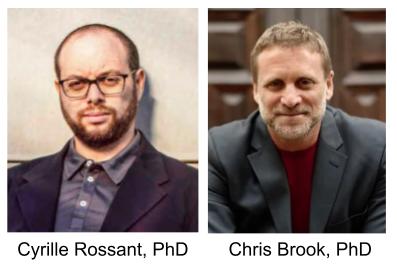
The good news is that the journal Forensic Science International: Synergy has published my letter to the editor in response to the article by Cyrille Rossant and Chris Brook describing the experiences of French parents during police interrogations, as summarized in my previous post.
The bad news is that submitting the letter took longer than writing it, because the process for submitting a few paragraphs was the same as for submitting an entire article. It’s hard to imagine that many affected families made the time to work through it all—although I’ve updated my original post with a few more details about the process.
If you’re having trouble finding your voice, maybe reading my letter will spark an idea. If you want some advice about the submission process, submit a comment to this posting.
The initial article by Rossant & Brook, published this winter, was an analysis of the “environment and conditions” of police interrogations in AHT cases, from a survey of 97 French families accused between 2004 and 2021. Again, see my previous post for details.
Thank you for your efforts, and best wishes with your cases.
Neuroscientist Cyril Rossant and astrophysicist Chris Brook have published a telling analysis of the “environment and conditions” of police interrogations in AHT cases, from a survey of 97 French families accused between 2004 and 2021. Their paper, in the journal Forensic Science International: Synergy, concludes that confessions and partial confessions elicited from parents by police are not reliable.
The researchers say they are hoping that families who recognize their own experiences in the paper will write letters to the editor.
“We feel multiple follow-up letters will add a powerful element to the project—equally important to the article itself,” Chris Brook wrote to this blog. The letter can be any length, he said, “from a short note that they had similar experiences to a detailed account with examples. Even a single paragraph will amplify the message.”
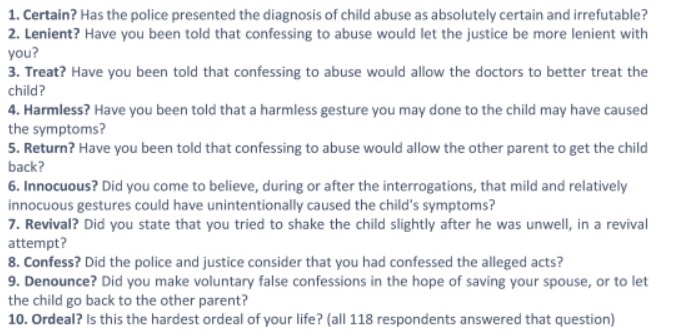
One part of the survey asked these specific questions about the interrogations (translated from the French, with labels used in the data analysis):
The authors also encourage attorneys who have handled AHT cases to contact the journal with their own stories from their own countries.
You will have to create an account with Elsevier, the publisher, which is simpler if you also create an account with Open Researcher and Contributor ID (ORCID), a non-profit dedicated to connecting researchers and their infrastructure. Both accounts are free and require no institutional affiliation. The author-guidelines page provides the necessary links. When asked for personal “keywords,” I put in phrases like “SBS,” “Shaken Baby Syndrome,” “AHT,” and so on. When submitting your “manuscript,” you will choose “Letter to the Editor” from the pop-up menu as the document type.
Feb. 14 update: To submit my letter, I had to create and upload three files:
A title page containing a title for the letter and my contact information
The letter itself, with no author identity revealed
A statement of potential conflicts of interest—the site offers a tool that creates a file in the format they want
The journal is likely to publish only a sampling of the letters, Brooks cautioned, but a large number of letters will get the editors’ attention, and boost the number published.
“We feel multiple follow-up letters will add a powerful element to the project—equally important to the article itself.”
-Chris Brook
The paper argues that child abuse pediatricians should not rely on the confession research to validate their model of abusive head trauma, because the confessions tend to be exacted by investigators who accept the diagnosis they’ve been given by the doctors.
Based on what they were told by police, the paper notes, parents saw little hope of proving their innocence, leaving them with a number of reasons to offer a full or partial confession, including:
hope for a reduced sentence
expectation that children would be returned to the other parent
a desire to stop the accusations against a partner
a desire to end the expensive, painful, and presumably hopeless legal proceedings
hope for eventual reunification
Note: If your case is still in litigation, check with your attorney before making any public statements.
Researchers have identified a new underlying cause of fragile bones in developing fetuses, this one apparently associated with maternal Ehlers-Danlos Syndrome (EDS), according to a news release propagated by the American Association for the Advancement of Science.
The paper behind the press release underscores the pitfalls of diagnosing abuse by default when a child with fractures in different stages of healing tests negative for known genetic conditions that predispose to fragile bones.
The article is a case report from the Ehlers-Danlos Clinical Research Program at the Boston University Medical Campus, where researchers examined ultrasounds of the developing fetus at several points during gestation and identified what looked like fractures suffered in utero. X-rays after birth confirmed the findings. The boy tested negative for osteogenesis imperfecta (OI) and other known causes of fragile bones, including vitamin D deficiency. The authors note:
If this mother had brought in her son for medical care later in his infancy without prior diagnosis of in utero fractures, these X-ray findings would almost certainly have resulted in the diagnosis of nonaccidental trauma.
Citing other abuse diagnoses based on fractures in children of EDS parents, the authors point to an “urgent need for further investigations to identify additional causative genetic variants for skeletal fragility, including yet to be identified genes associated with a well-recognized bone fragility disorder associated with a genetic defect of the collagen–elastin matrix: EDS.”
Last summer, Edelyn and Peter Yhip were preparing for the worst: If they were both convicted, they asked each other, who would take their children, 13-year-old Mikaela and 9-year-old Jonathan? What would happen to their home, and everything in it, if they were both in prison?
But on August 23, after 6-1/2 years of accusations, the Yhips stood in court and heard the judge drop charges against them, because the state had conceded it had insufficient evidence of murder in the 2012 death of Jonathan’s twin brother Benjamin.
“We felt so blessed when the charges were dismissed,” Edelyn said when we got together in September, at a fencing tournament where Mikaela was competing. “Now we can grieve and mourn for Benjamin, and start to heal our family.”
In a video posted by the Northern California Innocence Project (NCIP), which helped with their defense, Edelyn reflected on the reality that set in after the “jubilation” the day the charges were dropped. Although it was “great to leave this behind us,” she said, “my son is gone, and our family is not the same. Our children are still in pain—they were alone and scared when they needed us the most.”
In a television interview in the fall, Mikaela remembered how police officers came to her school one afternoon and took her and Jonathan away from the family friend who’d come to pick them up—leaving them instead in the care of foster parents they’d never met before. “They told me that Benjamin died,” Mikaela recalled. “I was so confused and scared… I really missed my parents, especially at night.” She was 7 years old.
The Yhips were eventually able to transfer the foster placement to a family the children knew, but even then they were allowed only an hour and half a week of visitation, always supervised by social services—”It was like somebody was spying on us all the time,” is how Mikaela put it. Jonathan was not allowed to attend his brother’s funeral.
Edelyn said she now has two goals: restoring her children and changing how infant death investigations are handled. “I can’t just pick up and go back to normal,” she declared, “not after what my children went through, what Peter and I went through. This nightmare should not happen to another family.”
Peter Yhip told me the ordeal destroyed his own faith in the legal system—”You never imagine something like this could happen to a perfectly innocent family,” he said—but he has learned the power of community. When he and Edelyn realized they were accused of murdering their son, he remembered, “We were numb with disbelief. But so many people rallied around us, it gave us hope. I have more faith in humanity now.”
Edelyn is a nurse and Peter is a doctor. They paid off their student loans before starting a family, Edelyn explained in the NCIP video. When they found themselves infertile, Edelyn said, they adopted the infant Mikaela from China in 2005, and then their sons in 2010, when the boys were 18 months old. “Returning from Taiwan with the boys,” she beamed, “We felt like our family was complete.”
They quickly realized, though, that Benjamin had serious medical problems, with recurring infections and a diagnosis of failure to thrive that led to an implanted feeding tube. In the spring of 2012, Edelyn found him not breathing in his bedroom and called 911.
“At the hospital, bone scans showed unchanged abnormalities suggesting a genetic condition, and the neurosurgeon opined Ben had suffered a stroke that caused his collapse,” according to the NCIP. “Ben was put on life support and eventually declared brain dead. Arrangements were made for organ donation.”
Despite Benjamin’s long and complex medical history—including a series of hospitalizations in Taiwan, before he was adopted—the state’s pathologist declared the death a homicide, citing the presence of subdural and retinal hemorrhages, which are two elements of the “triad,” a pattern of bleeding and swelling inside the infant skull that is commonly attributed to “abusive head trauma,” previously known as “shaken baby syndrome.”
While their children remained in foster care, baffled and terrified, Edelyn Yhip was arrested at the family home, and Dr. Yhip was arrested at his clinic, handcuffed and led out the front door past patients in the waiting room.
The Yhips’ friends and family rallied behind them, setting up a web site and raising money to mount a defense. More than one family put their homes on the line, adding their properties to the bond, so Edelyn and Peter could be out of prison while waiting for trial. The family was reunited about a year after the accusations, when the dependency court found “substantial evidence” that Benjamin had died of medical complications, not criminal assault. Still, the county continued to press its criminal case for five more years, while the NCIP submitted a growing body of medical reports supporting the family’s innocence, as well as court decisions from other disputed shaking cases and the 2018 book, The Forensic Unreliability of the Shaken Baby Syndrome.
“We had a host of heroes in this case,” wrote NCIP attorney Paige Kaneb, who stuck with the case through all those years, in an email announcing the decision to drop the charges. “Great day, long overdue. The best part was after court when the Yhips told their 13-year-old daughter that this is finally over.”
The nightmare is over, but the Yhips are not leaving their experience behind. Both Edelyn and Peter say they hope their case might help move the debate about shaking theory forward, and help other families avoid a nightmare like theirs. “The triad has got to go,” Edelyn insists. “It’s not just the financial toll, it’s the emotional toll it takes on your whole family.”
This week, the Yhips are heading to Atlanta for the annual Innocence Network conference, April 12–13, where they are hoping to connect with other accused and exonerated families. You can contact them at fresh20fishing@gmail.com.
copyright 2019, Sue Luttner
If you are not familiar with the debate surrounding shaken baby syndrome, please see the home page of this blog.
A coalition of wrongly accused parents in France has caught the attention of Le Monde, which Wikipedia calls “one of the most important and widely respected newspapers in the world.”
Association Adikia put up their web site just last month, although some of the members have had a Facebook presence for some time. Last week Le Monde published a letter from key organizers explaining who they are, what the problem is, and what they plan to do.
Here is a Google translation of the published letter:
We are wrongly accused of abusing our children as a result of misdiagnosis”In a tribune in “Le Monde”, a hundred parents testify to their fight, accused of violence on their children while they are suffering from a rare disease. They created the Adikia association to advance their cause to justice.
We are more than a hundred parents wrongly accused of abusing our own children as a result of misdiagnosis. Two and a half years ago, one of us created a Facebook group to tell her story. This is where we found ourselves over the months after experiencing the same dramatic situation.
While we consult pediatric emergencies for our babies who are uncomfortable, doctors detect signs a priori suggestive of abuse. These are mainly fractures, bruises, or bleeding inside the skull and eyes (subdural hematomas and retinal hemorrhages). These last two signs are typical of the “shaken baby syndrome”.
In our case, however, our children have various rare diseases. For example, the son of Virginie (creator of the group) is suffering from hypofibrinogenemia, a rare genetic abnormality of blood coagulation. As indicated by the report of the High Authority of Health on the subject, disorders of coagulation form an important class of differential diagnoses of shaken baby syndrome.
Unjustified accusations
The son of Vanessa (president of the association) is one of the many babies in our association with external hydrocephalus. Clinical studies suggest that this pathology may favor the occurrence of subdural haematomas. Marielle’s daughter has osteogenesis imperfecta, or glass bone disease, which can cause fractures. Emi has hypophosphatasia and her son has bone fragility associated with vitamin D deficiency.
In an emergency, however, doctors must diagnose quickly and act if they feel the child is at risk in their family. They make a report, which leads to the almost automatic placement of our children. They are withdrawn while we are taken into custody and questioned by the police.
As if dealing with the suffering of our babies was not enough, we must also suffer unjustified accusations of abuse. Worse, we must live with the idea that our babies will have to spend the next months or years away from us, when they are sick and need all our love. Their first steps, their first laughs are stolen forever. Strong emotional ties with parents are essential for the neuropsychological development of babies, as pediatrician Catherine Gueguen has shown. We have all had suicidal thoughts, but we must absolutely stand firm for our children.
The placements end when the juvenile judges finally feel that we are not dangerous. In a way that is difficult to understand, we are criminally prosecuted when the judicial expertises are carried out. Specialized maltreatment doctors seem to validate the violence systematically, even in the presence of rare and unknown diseases. We have a hard time getting specialists in rare diseases to do their own expertise, even more when the medical records of our children are seized by the courts!
The example of the little Luqman is characteristic. At 16 months, he spent 13 away from his parents. More than a year ago, he had hemorrhaging leading to a diagnosis of shaken baby syndrome. An extremely severe vitamin K deficiency (necessary for blood clotting) was quickly detected. It appeared later that Luqman had abetalipoproteinemia, a rare genetic disease that could cause such a deficit. According to several doctors, this disease could explain the symptoms.
Shaken baby syndrome
Today, Luqman is still placed, and his parents are indicted. For the legal experts who have access to the whole file, the signs presented are characteristic of shaken baby syndrome and the diagnosis of abuse is therefore certain. Can we really be certain that this disease, which affects less than one in a million babies, can not cause subdural haematomas and retinal hemorrhages?
We have trouble making it clear to the various speakers that the words of doctors and experts never have absolute truth. We must all show the greatest humility before the complexity of the human body. We do not know everything about medicine, far from it.
We have created our association – Adikia – to support and inform those unfairly accused, to make our testimonies known to the public, and to gain more weight in court. We would like doctors to take every precaution, as far as possible, and for the judges to consider all the elements of the files. Decisions as serious as long-term placements or prison sentences must not be made solely on the basis of medical evidence, however clear and categorical.
We would also like to be involved in improving the reporting and diagnosis criteria for suspicion of abuse. Our goal is to avoid unfounded accusations and unjustified placements as much as possible while respecting the sound and indispensable principle of child protection.
Virginie Skibinski and Vanessa Keryhuel, for the Adikia association.
Association Adikia had already reached out to other parents’ organizations worldwide. They share a logo created by Italian artist Chiara Zini for the beautiful and touching site una Mamma, un Papá.
If you are not familiar with the debate about shaken baby syndrome, please see the home page of this web site.






 On Shaken Baby