Category Archives: SBS

Witnessed Shaking: Reports and Reflections

Police in Concord, New Hampshire, reported last week that a woman had brought them a 3-month-old baby whom she had seen being shaken. According to  WMUR, Channel 9, police took the child to the hospital, where doctors found bruising on the child’s ribs but apparently no brain injuries. The Union Leader coverage adds that the witness is not the child’s mother.

This case prompted a colleague of mine to pull out her notes from a talk given in 1996 at the First National Conference on Shaken Baby Syndrome, in Salt Lake City, Utah, by a team from from the Children’s Hospitals and Clinics of Minnesota.

With pediatrician Dr. Carolyn Levitt, case director Julie Pape had collected 12 cases in which children under the age of two were brought to the child-protection team for evaluation after witnesses reported seeing them shaken. These children were examined not because of physical signs or symptoms, Pape emphasized, but because of the witnessed assault. “Those people who were observing the events felt as though that episode of shaking had to be significant enough or violent enough to cause injury in the child.”

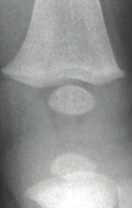
All of the children had complete skeletal x-rays, and six of them had both CT scans and retinal exams:  No subdural hematomas, brain swelling, or retinal hemorrhages were found in any of the children, although bruises and fractures were found in some.

The cases:

  • A 19-year-old uncle left alone with a 7-week-old told the child’s mother that he had shaken the baby. He reported shaking the infant four or five times, after which “he became scared, because he thought that he may have injured the baby.” The only physical finding was a bruise on the child’s ankle, which the uncle acknowledged he may have caused when he picked up the baby.
  • A suicidal teen-aged mother reported shaking her 5-month-old son. Examination revealed old soft-tissue injuries, some bruising, and a burn.
  • An employee at a juvenile residential home reported seeing a young mother shake her 6-week-old daughter. A bone scan revealed three leg fractures but the CT scan and retinal exam were negative.
  • A bank teller reported seeing a mother shake her 12-month-old daughter in a stroller. Doctors found no broken bones or soft-tissue damage.
  • A mother brought her 17-month-old daughter to the clinic with a report that she had seen the biological father shake and spank the girl. The skeletal survey was negative, and old bruises were inconclusive for abuse.
  • A single mother called her own father and told him she had shaken her 8-month-old daugher, in her walker. The grandfather called the child’s pediatrician, who reported the case to CPS. A skeletal exam, a CT scan, and a retinal exam produced no physical findings.
  • A mother reported she had seen the father of her 4-month-old son shake the infant. The father’s hands were around the child’s rib cage, she said, and the boy’s head was “bobbing back and forth.” The skeletal, CT, and retinal exams were all negative.
  • During a hospital visit for a burn injury, the mother of an 11-month-old patient reported that she had seen the boy’s father shake him 10 months earlier, when the infant was one month old. The skeletal survey, CT scan, and retinal exam were negative, but the boy had some soft tissue injury.
  • A mother brought in her 17-month-old daughter after a visitation with the girl’s father, because of bruises. The grandparents reported that they had seen the father shaking the girl on previous occasions. A skeletal survey revealed healing  arm and leg fractures.
  • The paternal grandparents of a 17-month-old boy and a 5-month-old girl called CPS to say they’d seen the children’s mother shaking them and throwing them onto the couch while the three were visiting. The children were removed from the mother at the AMTRAK station. Skeletal surveys showed no fractures, and doctors found no bruising.
  • A mother reported seeing the father of her 9-month-old daughter shake the little girl during an argument that also involved a gun to the mother’s head. The child protection team did a skeletal survey, head CT, and retinal exam, “and as is consistent with many of the other kids in this study, we did not find any physical findings,” Pape reported.

None of the 12 children was admitted to the hospital, although one returned for a follow-up bone scan.
Noting that “children who have a history of being shaken do not always sustain physical injury,” Pape advocated a “consistent medical approach” to these cases, as further examination did uncover evidence of past abuse in some cases.

“We also need to listen to these histories and not ignore them,” Pape said. “If a parent is saying, or if anyone is saying, that they have witnessed an act that is violent enough that they think this child could be injured, we need to pay attention to that. And that’s not necessarily because we think these might be shaken babies, because obviously we are learning that this is not how children who are diagnosed with SBS present. However, these children might be children who are battered and at risk.”

Also, if these really are shaken babies, Pape clarified, “We don’t want these children to go on and then have physical findings because someone may have shaken this child and then decided that if I shook the child this hard and it didn’t have physical findings then it should be OK.”

This study doesn’t seem to have been published, and I haven’t seen anything like it in the literature. As far as I know, there have been no witnessed shakings that were followed by findings of brain swelling and brain bleeding. If anyone knows of one, please leave a comment.

I’ve seen nanny-cam footage of violent treatment that seems to include shaking (this YouTube video, for example [now deleted], and this footage from India [also deleted], and news reports of the resulting prosecutions (like this one).  Has any of these cases ever resulted in the triad?

Curiouser and curiouser.

Spring 2014 update:   Although I’m not comfortable with how the nurse is handling the baby in this murky report from Tomo News, it doesn’t look as violent to me as the narrator and commenters describe.

Fall 2015 update: An Alabama television station reports that a day care worker was fired after a parent saw her shaking a toddler via an on-line video feed. Doctors found no injuries.

Winter 2016-17:  Two more reported cases of witnessed shaking with no injury:

Winter 2018-19: Alas, I’ve had to delete quite a few links to surprising and unsettling videos no longer on line—all resulting in no injuries. But we have two new entries:

copyright 2012, Sue Luttner

If you are not familiar with the debate surrounding shaken baby syndrome, please see the home page of this site.

10 Comments

Filed under abusive head trauma, AHT, SBS, shaken baby syndrome

A Word From the Hangbin and Ying Li Rescue Committee

The second-degree murder trial of Hangbin Li, the immigrant father in the news last month for turning down a generous plea bargain,  has been postponed due to the storms in New York, but is now scheduled for later this week.

Mid-November update: The trial is now scheduled for January, 2013.

Hangbin Li and his common-law wife Ying Li were accused of shaking their daughter Annie to death in 2008. While the couple has spent years in jail, denying the charges and waiting for trial, their community has rallied around them. Now their friend Michael Chu has released a statement of support, which he hopes to distribute widely before trial, on behalf of the Hangbin and Ying Li Rescue Committee:

Shaken Baby Syndrome Accusations:
A Modern Day Witch Hunt?

Abuse of children is a real problem. People who commit the crime deserve the full fury of law. However, it is very important that evidence based science instead of the old SBS dogma be used in distinguishing cases where abuse actually occurs as opposed to trauma occurring for other reasons. In the Li’s case, 5 months after the passing away of their beloved daughter Annie, and still in deep bereavement over the loss of their beloved child, Hangbin and Ying were incarcerated, not knowing why.

Last month (October), which is almost 5 years after their initial incarceration, Hangbin was offered a plea bargain which was really tempting. This poor young man was offered the choice of immediate freedom at the price of his innocence. The mental torture he suffered was inhumane. “To be or not to be, that is the question.” He called family members, supporters and friends for advice. He asked me and my wife, “If I were your son, what would you tell me?” We cried. Oh God, what this man has suffered I would not wish my worst enemy to go through.

Finally, Hang Bin made a decision. While he almost ended up accepting the offer, a sudden idea struck him. As a victim of false SBS allegations, he felt that no one else should suffer as he did. From various literatures, he had learned that the number of people who have been wrongly accused of SBS is far more than he imagined. He started to ask himself these questions: Does this (false allegation/conviction) have to go on and on? Why do I have to admit to something I did not do? Do innocent people have to be accused and convicted of something they have not done and do nothing about it? On top of that, he has already lost Annie; he can’t afford to lose Ying and his second daughter Angela (he will be deported when the court releases him if he admits to any charge against him). They are the love of his life.

Baby Annie was born with mutated gene and had spent her first few days in the NICU. In a DNA test done on Annie’s tissue a couple of months back, defective gene relating to OI (Osteogenesis Imperfecta) had been detected. “ It would be important to understand other inherited conditions in Annie’s family that might have created a situation that looked like shaken baby syndrome but was in fact, attributed to something else,” said Dr. Sessions Cole, director of newborn medicine at St. Louis Children’s Hospital.

If one would just spend some time researching the SBS literature and talk to the wrongly accused in depth, he/she will be taken aback at the absurdity of the triad based SBS assumptions which the prosecutors resorted to in the conviction of many parents/caregivers. You can’t help but ask one question again and again: Given the wide array of solid scientific research that questions the validity of SBS theory, why does the judicial system still choose to turn a deaf ear to evidence based science? Even former supporters of the SBS theory such as the renowned Dr. Norman Guthkelch and Dr. Patrick Barnes, are now advising caution before choosing a SBS diagnosis. Dr. Guthkelch is credited with founding the syndrome in 1971.

How can the criminal justice system and law enforcement officers, hold high the banner of justice on one hand, but on the other, refuse to look at truth? How many ears must one law officer have before he can hear innocent people cry? How many wrongful imprisonments will it take till he knows that too many people have been falsely convicted? This is a very serious question that every concerned citizen should think about. The protection of children is a measure of society’s progress. There are people who abuse children. They should be given the gravest penalty that the law allows. But do we have the right to punish the innocent just because we know that there are heinous child abusers out there so that scarifying the innocent can be justified in the name of protecting children? A humanistic society should not allow that.

We need a rigid diagnostic protocol to be applied to SBS cases to prevent medical professionals from jumping to conclusions as soon as they see the 3 symptoms of shaken baby syndrome. Dr. Guthkelch says it’s time to get all interested parties together to get them to agree on what can be said with scientific certainty about shaken baby syndrome. How much longer do we have to wait until this is accomplished? The sword of Damocles could fall on anyone as long as the triad based diagnosis is allowed to reign supreme.

Hangbin & Ying Li Rescue Committee/Michael Chu

For more information on this case, see the New York Times coverage from last winter, at http://www.nytimes.com/2012/01/15/nyregion/what-happened-to-baby-annie.html?pagewanted=1&_r=2&sq=li%20hangbin&st=cse&scp=1

1 Comment

Filed under abusive head trauma, AHT, Hangbin Li, parents accused, SBS, shaken baby syndrome, Ying Li

Case Dismissed Against Drayton Witt

Drayton Witt and his wife, after his release in the spring

The Arizona Superior Court dismissed charges today against Drayton Witt, convicted in 2002 of second-degree murder in the death of his son Steven, the Arizona Justice Project has announced.

As reported in the Arizona Republic in September, Steven Witt suffered a short lifetime of health challenges, starting with breathing problems at birth and including unexplained seizures that had him hospitalized for a week when he was four months old. At five months, he suffered another seizure while in the care of his father and collapsed.

Despite Steven’s health history, doctors at the Phoenix Children’s Hospital insisted that bleeding and swelling found in the boy’s brain meant he’d been abused, and Drayton Witt was convicted of second-degree murder. The Arizona Justice Project took up his case in 2008, under the leadership of attorney Carrie Sperling.

In the spring of 2012, Witt’s legal team petitioned successfully to vacate his conviction. The state did not oppose that decision, but began moving to retry the case. Then last week the district attorney’s office filed a motion to dismiss the charges without prejudice. This morning the court approved that motion, but specified that the dismissal was “with prejudice,” meaning that the state is barred from pressing this case again.

I wrote a bit more about this case earlier in the year, in this post.

3 Comments

Filed under abusive head trauma, AHT, Drayton Witt, parents accused, SBS, shaken baby syndrome

Separating the Sheep From the Wolves

Gray fox at a wildlife rescue center in Lafayette, CA

I have returned sobered from the Twelfth International Conference on Shaken Baby Syndrome/Abusive Head Trauma, Sept 29–Oct 1 in Boston.

Dr. Robert Block, President of the American Academy of Pediatrics (AAP), opened the conference with an address titled “While We Argue, Children Die:  The Consequences of Misinformation,” arguing that the press has been getting it wrong by reporting that shaken baby syndrome is now in doubt.

If the number of shaking diagnoses is not decreasing, Block said, then “the assertion that there has been a significant shift in medical opinion and medical thinking is false and it is not supported in basis of fact.”

Block protested that an upcoming law-journal article misrepresents the intent of the 2009 AAP position statement recommending that doctors drop the term “Shaken Baby Syndrome” in favor of “Abusive Head Trauma.” The goal of the new name, Block said, was “not to detract from shaking as a mechanism of abusive head trauma as much as to broaden the terminology to account for the multitude of primary and secondary injuries that result from abusive head trauma.”

The article Block cited—“Shaken Baby Syndrome, Abusive Head Trauma, and Actual Innocence:  Getting It Right”—was written by law professors Keith Findley and David Moran, with pediatric radiologist Patrick Barnes and pediatric neuropathologist Waney Squier, in response to an earlier article in the same journal —“A Daubert Analysis of Abusive Head Trauma/Shaken Baby Syndrome“—by pediatrician, attorney, and pediatrics professor Sandeep Narang. Dr. Narang had proposed in that piece, as he did again at the Boston conference, that the diagnosis of child abuse is best left to the experts who have devoted their careers to studying it.*

Like Dr. Narang, Block emphasized the importance of clinical experience. The experts have seen “thousands and thousands of children, of all ages, in all stages of health, from perfectly healthy to perfectly dead,” Block said, “Without that experience one cannot understand, get involved in, begin or end that science that we so desperately need.”

Arguing that child-protection doctors are forced to spend their time fighting baseless attacks, Block asked, “Can the media, and the folks who feed the media, be held responsible for injuries to, and deaths of, children?”

Block encouraged the building of multi-disciplinary bridges, where physicians from different specialties can share experiences and learn from each other. Conversation is difficult “with people who are emotionally invested,” he said, and he would welcome the entry of the Institute of Medicine and the National Academy of Sciences into the arena.

Monday morning’s keynote address—”A Wolf in Sheep’s Clothing:  Denialism in Child Abuse Pediatrics” by Dr. Christopher Greeley, professor of pediatrics at the University of Texas Health Science Center—reaffirmed that there is no disagreement within the medical community about abusive head trauma.

“I believe this not to be a medical debate,” Dr. Greeley opened, but “a legal debate with a white coat on.”

Greeley proposed that critics of the known science behind shaken baby syndrome have fallen for the allure of their own personal narratives. “They think, ‘This is Galileo trying to prove his case to the people,'” he explained. “They think, ‘I have this knowledge and it’s being squashed by misguided authority.'”

Alluring at it is, that narrative is false, he said. “Are we the overbearing establishment? Is Dr. Block our pope?”

Dr. Greeley characterized those who question SBS theory as denialists, and he outlined their tactics:

  • Manufacture of doubt—emphasizing small areas of disagreement to give the impression of fundamental flaws
  • Identification of conspiracies
  • Creation of impossible expectations—demanding that the child abuse literature  provide the same kind of evidence produced by drug trials, for example
  • Use of fake experts
  • Misrepresentation and logical fallacies—the “straw man,” for example
  • Selectivity of citation

Dr. Greeley’s slide show of media denialism included offerings from major news outlets (the 2008 Discover magazine piece by Mark Anderson, Prof. Deborah Tuerkheimer’s 2010 New York Times op ed, Emily Bazelon’s New York Times Magazine cover story, and the Frontline/ProPublica/NPR critique of child death investigations) as well as small internet voices (the Medill Innocence Project, MedicalMisdiagnosisResesarch, Medical Veritas [which seems to be an anti-vaccine organization], this blog, and the EBMSI conferences), plus a radio commentary by Phyllis Schlafly.

In the professional arena, Dr. Greeley lambasted the 2003  literature review by Dr. Mark Donohoe, “Evidence-Based Medicine and Shaken Baby Syndrome,” which had concluded that “the commonly held opinion that the finding of subdural hematoma and retinal hemorrhage in an infant was strong evidence of SBS was unsustainable, at least from the medical literature.”

Donohoe had searched the Biomednet Medline database using only the phrase “Shaken Baby Syndrome,” Greeley pointed out, four years before the phrase was officially adopted into the Medical Subject Headings maintained by the National Library of Medicine. Donohoe did not search for terms like “abusive head trauma,” “child abuse,” “subdural hematoma,” or any of the other phrases that might have captured additional relevant articles, Greeley charged, and then he didn’t even read all of the articles he found. Although Donohoe’s search was conducted in 1998, the article wasn’t published until 2003. Greeley said that his own search using Donohoe’s described strategy, even limiting the time range to 1966-1998, produced far more citations than the 54 Donohoe reported. (Greeley did not, however, offer any examples of papers that would have provided stronger scientific support for shaking theory than those Donohoe evaluated).

“Donohoe is a horrible paper and you should never cite it,” Greeley summarized. Noting that Supreme Court Justice Ruth Bader Ginsburg had in fact referenced Donohoe in her minority opinion in the Shirley Ree Smith decision, he speculated, “Surely Justice Ginsburg didn’t read this paper…  or she wouldn’t have cited it.”

He also criticized medical-journal articles by Drs. Pat Barnes, Waney Squier, Jennian Geddes, and Steven Gabaeff and the “Getting It Right” law-journal article by Findley et al.

In other sessions I heard speakers explain that Vitamin D levels in a newborn are unrelated to bone fragility, hypoxia does not cause subdural hematoma, and physicians always do a complete work-up for other conditions that might cause the symptoms before diagnosing abuse. While I’m still puzzling over the medical possibilities, I know from personal experience that the third point is an unattained ideal.

I had hoped the conversation was opening up, but it’s hard to feel encouraged after being dismissed as a denialist. More to come.

* Dr. Narang’s article posits that there is no real medical debate about AHT and concludes:

“It is understandable that lawyers will look for opportunities to create doubt in the minds of jurors. However, the only way to appropriately improve the chances for justice in the courts with respect to AHT is to assure that an unbiased, financially-unmotivated, medical expert testifies to the current state of medical evidence.”

10 Comments

Filed under abusive head trauma, AHT, American Academy of Pediatrics, National Center on Shaken Baby Syndrome, SBS, shaken baby syndrome

When Pie in the Sky Turns Out to Be Dawning Knowledge

With the Twelfth International Conference on Shaken Baby Syndrome/Abusive Head Trauma coming up this weekend, I’ve been reviewing the literature and sorting my thoughts. What I see is an odd mix of new thinking and old stances.

In the June 2012 issue of Pediatric Radiology, for example, Dr. Thomas Slovis and his colleagues open their editorial, “The creation of a non-disease: an assault on the diagnosis of child abuse,” with a triad I’m not familiar with, but it’s got a classic ring to it:

The triad of subdural hematoma, retinal hemorrhage and multiple fractures in a child has been extensively documented to strongly suggest non-accidental trauma. Based on confessional evidence, a medical workup excluding diseases that can present with some of these abnormalities, and almost 50 years of scientific medical supportive literature, the diagnosis of abuse is being made with increasing medical certainty [1–7].*

With that diagnostic guideline in place, the authors object to “a small group of individuals” who have “created controversy where there should be none” and “perverted cases by using incomplete statements of the facts and unproven hypotheses to obscure the straightforward historical and physical findings utilized to make the diagnosis of child abuse.”

The paper describes a recent training that included these presentations:

  • Pediatrician and geneticist Dr. Ingrid Holm explaining that vitamin D levels have not been scientifically connected with fractures in the fetus or neonate, presumably a counter to the rickets work of Drs. Pat Barnes, Kathy Keller, David Ayoub and others; and
  • Pediatric radiologist Dr. Gary Hedlund noting that  “intracranial venous thrombosis alone” is not known to be associated with subdural hematoma, possibly a response to many of Dr. John Plunkett’s diagnoses, with the additional observation “that one of the commonest causes of intracranial venous thrombosis is trauma, and that trauma does cause subdural hemorrhage.”

The key point about the non-disease commentary, though, is near the introduction, in an off-hand reference to new understandings in the field:

[The seminar]  presented the scientifically accepted methodology for the diagnosis of nonaccidental trauma with emphasis on the pathophysiology of various injuries, and covered areas where new data have changed our understanding (e.g., subdural hematoma can occur from bleeding dural veins and not only bridging veins) [20–22].

20. Mack J, Squier W, Eastman JT (2009) “Anatomy and development of the meninges: implications for subdural collections and CSF circulation.” Pediatr Radiol 39:200–210

21. Nelson MD Jr (2009) “Unraveling the puzzle.” Pediatr Radiol 39:199

22. Slovis TL, Chapman S (2009) “The pathophysiology does not denote the mechanism.” Pediatr Radiol 39:197–19

What we have here is an editorial criticizing and dismissing the defense experts in the shaken baby syndrome debate, but with the concession that Drs. Mack, Squier and Eastman were correct in their 2009 proposition, which they also published in a different paper, “The neuropathology of infant subdural hemorrhage,” Forensic Sci Int 2009, soi:10.1016 j.forscicnt.2009.02.005.

At the time it was published, that paper received a scathing review by Dr. Lucy Rorke-Adams in The Quarterly Update, a guide to the child-abuse literature published four times a year by Dr. Robert Reece at Tufts University School of Medicine. Dr. Rorke-Adams’s review (Winter 2010, Vol. XVII, No. 1, p. 14) objected that the authors had rejected “the mountains of evidence that tears of bridging veins consequent to trauma are the primary cause of SDH,” adding in the Reviewer’s Notes:

This concept, initially proposing a non-traumatic pathogenesis of SDH in infants, namely hypoxia, advanced by Geddes et al. in a severely flawed paper with no credibility whatsoever and later repudiated by her, is not being allowed to rest in the dustbin of junk science [10-11].  The disciples of Geddes cannot allow this to happen, else they will be unable to introduce “reasonable doubt” when tetifying on behalf of perpetrators of abusive head injury to infants. Hence, they are flooding the literature with pie-in-the-sky claims that totally lack any evidence base.

10.  Geddes JF, Tasker Rc, Hackshaw AK et al. “Dural haemorrhage in non-tramatic infant deaths:  Does it explain bleeding in ‘shaken baby syndrome’?” Neuropathol Appl Neurobiol 2009;29:14-22

11. Jenny C. The timtimidation of British pediatricians. Pediatrics 2007;119:797-799

This transition, from “pie-in-the-sky” to “new data have changed our understanding,” strikes me as a change in the recognized model of abusive head trauma. It reminds me of comments made by a number of presenters at the 2010 NCSBS conference, when the take-home message was that the “triad” (the AHT triad, that is:  subdural hematoma, retinal hemorrhages and brain swelling) was a straw man invented by defense experts to discredit shaken baby syndrome theory.

2016 Update:  Denial of the triad has been formalized in a commentary by Dr. Christopher S. Greeley, “‘Shaken Baby Syndrome’ and Forensic Pathology” (Forensic Sci Med Pathol 16 Feb 2014 DOI 10.1007/s12024-014-9540-0), where he wrote:

“The complex features of AHT are often disparagingly distilled simply to ‘‘The Triad’’; a term devoid of any real clinical meaning and not used at all in practice.”

But I also have notebooks from prior conferences, when the triad was, indeed, considered enough.  I will close this posting with a quote from a letter published in Pediatrics in 1998, signed by 70 child-abuse physicians, including a few of those 2010 presenters, objecting to the defense testimony in the Louise Woodward trial:

The shaken baby syndrome (with or without evidence of impact) is now a well characterized clinical and pathological entity with diagnostic features in severe cases virtually unique to this type of injury – swelling of the brain (cerebral edema) secondary to severe brain injury, bleeding within the head (subdural hemorrhage), and bleeding in the interior linings of the eyes (retinal hemorrhages). Let those who would challenge the specificity of these diagnostic features first do so in the peer-reviewed literature, before speculating on other causes in court.

My point is that the model is evolving in the face of new evidence.  What I don’t understand is the reluctance of the child-abuse community to look back at possible mistakes in the past.

I’m off to the conference now and not likely to be blogging on the road, but you never know.

* Citations from the opening quote of the Slovis et al. article:

  1. Caffey J (1946) “Multiple fractures in the long bones of infants suffering from chronic subdural hematoma.” AJR 56:163–173
  2. Silverman FN (1953) “The roentgen manifestations of unrecognized skeletal trauma in infants.” AJR 69:413–427
  3. Woolley PV Jr, Evans WA Jr (1955) “Significance of skeletal lesions in infants resembling those of traumatic origin.” JAMA 158:539–543
  4. Kempe CH, Silverman FN, Steele BF et al (1962) “The battered-child syndrome.” JAMA 181:105–112
  5. Silverman FN (1972) “Unrecognized trauma in infants, the battered child syndrome, and the syndrome of Ambroise Tardieu.” Rigler lecture. Radiology 104:337–353
  6. Faure C, Kalifa G, Sellier N (1994) “Les responses de l’imagerie medicale chez l’enfant battu. Syndrome de Silverman-Ambroise Tardieu.” J Radiol 75:619–627
  7. Kleinman PK (ed) (1998) “Diagnostic imaging of child abuse,” 2nd edn. Mosby, St. Louis

5 Comments

Filed under abusive head trauma, AHT, SBS, shaken baby syndrome

Boxed in, Even Before Prison

As the rolls of exonerated prisoners grow, plea bargaining by innocent defendants has found its way into the news.

Accepting a plea bargain can be especially tempting in the child-abuse arena, where an innocent parent is offered not only the chance to avoid an expensive trial and the risk of a long sentence but also the added hope that “taking responsibility” for a child’s injuries will keep the children out of foster care and the other parent out of prison.

After her husband accepted a plea bargain in the 2007 death of their daughter, Tonya Marrhoubi Sadowsky gathered data about case resolutions at her local courthouse, first in 2010 and again in 2012. As she reported on her blog this summer, the vast majority of criminal cases in her jurisdiction are being settled with pleas, almost none with trials. As it turns out, Tonya had observed a national trend, described in fascinating detail in The Unexonerated: Factually Innocent Defendants Who Plead Guilty by law professor John Blume of Cornell and Rebecca K. Helm. (That link is to the downloadable article, well worth reading; thanks to the Wrongful Convictions Blog for this literature tip.)

The Cases

The May exoneration of football player Brian Banks kicked off this season’s coverage of innocent defendants who plea bargain.  In the early 2000s, faced with decades or life in prison if convicted of the rape and kidnapping of a childhood friend, Banks entered a plea agreement. He had served his time in prison but was still on parole when the alleged victim recanted. The California Innocence Project took up his case, and this fall Banks is back on the field, as reported last week on CBS in Los Angeles. ABC News posted this moving coverage of the exoneration proceedings in the spring.

The West Memphis Three in 1993

Then the “West Memphis Three” made another run through the headlines this summer with the release of a book by Damien Echols, one of three young men in Arkansas convicted of a grisly triple murder in 1993. After 18 years of protesting their innocence from prison, the three were exonerated by DNA tests in 2011. Instead of simply releasing the men, the state negotiated an Alford plea, which freed them immediately but only if they all pled guilty to a lesser charge. The New York Times coverage in August explores their legal conundrum and rocky first year out. A dispatch from the book tour on CAPITAL focuses on Echols, who spent his prison time isolated in a small cell on death row because prosecutors had perceived him as the ringleader in the supposed “cult” killings.

Myself, I’ve been frustrated because plea bargaining by innocent defendants has shut off access to the evidence in a number of cases, and left prosecutors with the impression that the defendants were in fact guilty. I echo the sentiment of defense attorney Zack Bravos, who says he can’t fault anyone who makes the rational decision to take a plea, but it adds to the perceived evidence in favor of classic shaken baby syndrome theory. If you haven’t yet read about my rubber-band case, for example, please see this story.

Drayton Witt and his wife
Courtesy Arizona Justice Project

Now the news coverage around the Drayton Witt reversal in Arizona has brought to light another plea bargain by an innocent parent, Armando Castillo, who met Witt in prison. In two insightful articles in the Arizona Republic, reporter Richard Ruelas first explores Witt’s conviction for the presumed shaking death of his son and then follows up with Castillo’s story (Listening to the medical testimony, Castillo told Ruelas, “I would have found myself guilty.”)

Back to Tonya, who alerted me earlier this summer to the prevalence of plea bargaining:  In a 2008 hearing she was not allowed to attend, her husband pled guilty to murder, felonious assault, and endangering a child. Although his reasons don’t appear in the court record, Tonya once told me that part of his inducement was the prosecution’s promise to “not go after Tonya” if he accepted the deal. Indeed, she wasn’t charged, but even through her relief she thought he’d made a mistake.

On the day of their daughter’s injury, Tonya’s husband called her at work to say he had dropped the baby and she should meet him at the hospital; he had already called 911. Her boss gave her a ride to the hospital, but her husband never made it:  He was taken to the police station instead. She hasn’t seen him out of custody since.

At the plea hearing, the judge was careful to make sure that Tonya’s husband Elwood Sadowsky was entering the plea without coercion. The opinion denying his appeal summarizes:

Upon questioning by the trial judge, Sadowsky confirmed that he had no questions about the plea. Sadowsky further stated that although he was taking several medications, he was able to think clearly and was of “sound mind and reason.”

Sadowsky told the judge, “I’m not high. I’m not drunk, sir. I’m just very grieved.”

This arena is tragic.

3 Comments

Filed under parents accused, SBS, shaken baby syndrome

Medill Justice Project Starts Posting

2020 Update:  The Medill Justice Project has reorganized and refocused. The links on this page that no longer work have been deactivated.

Journalism students at the Medill Innocence Project have started adding content to a blog devoted to their shaken baby syndrome project.

The first stories went up in late August, print-only updates about their efforts to re-examine the case of Jennifer Del Prete, an Illinois child-care provider convicted of shaking an infant in 2002.

Dr. A. Norman Guthkelch, May 2012

The Audio Podcast

On Friday an excellent podcast appeared, “Setting the Record Straight,” based on an interview with Dr. A. Norman Guthkelch. The pioneering pediatric neurosurgeon who first proposed that shaking an infant can trigger subdural hematoma is now speaking out about the over-diagnosis of infant shaking.

The audio treatment includes a riveting exchange between Dr. Guthkelch and Carrie Sperling, the Innocence Project attorney who contacted him about the troubling case of Drayton Witt. Dr. Guthkelch says that the Witt case opened his eyes to how shaken baby syndrome theory is being used in the courtroom. The piece is even stronger for the inclusion of an interview with Dr. Robert Block, president of the American Academy of Pediatrics and a staunch defender of the classic model.

The Human-Interest Video

Earlier last week a video went up, “Tia’s Story,” a moving visit with Jennifer Del Prete’s 23-year-old daughter. The treatment does not consider the legal issues, but showcases another way in which a hasty diagnosis of infant shaking destroys families.

The Database Update

The site also features an announcement about the database project, started at the beginning of this summer, with some background on the issues.

6 Comments

Filed under abusive head trauma, AHT, SBS, shaken baby syndrome

Evidence-Based Medicine and Shaken Baby Syndrome

Drs. John Galaznik and John Plunkett, at the EBMSI conference

Evidence-based medicine (EBM) is a formal discipline intended to sort out what doctors really know from what they simply believe, “to differentiate objective data from opinion,” explained forensic pathologist Dr. John Plunkett at the second Evidence Based Medicine and Social Investigation conference earlier this month. “Evidence should always trump opinion,” he noted.

As detailed below, the EBM movement relies more on scientifically controlled research—and less on expert opinion and case studies—than the approach that’s traditionally dominated the medical literature.

The highest level of certainty under EBM guidelines applies more readily to drug trials, Plunkett said, where researchers can use large populations and appropriate controls, than to shaken baby syndrome research. “Nothing in the child-abuse literature is going to come anywhere near to Level I,” he conceded, on either side of the shaking debate. “There is not going to be a major bulletin about this.”

The arena itself constrains researchers’ ability to study infant head trauma, Plunkett said, and so the results are not reliable, with the exception of “the biomechanical studies that have been repeated over and over with the same results”—that is, that shaking without impact should not cause subdural hematoma.

Plunkett said he himself misunderstood the role of rotation for many years, even after he started doubting classic shaking theory in the 1980s. “I had been taught that rotation causes subdural hematoma, so I was looking for rotation in a fall,” he explained. “I didn’t realize it until 13 years ago:  Impact causes rotation.”

A number of test-dummy videos shown during the conference illustrated his point:  When a dummy’s head hit the floor, it would bounce back up, in an arc constrained by the neck, finally hitting the floor again at least once.

Rotational motion resulting from linear impact, from F.A. Bandak, Forensic Science International, 151 (2005) p. 75

Biomechanical engineers use the term “impulse loading” to describe the rotational forces caused by the head’s motion at the end of its tether, that is, the neck, which is attached to the trunk.

“Everything caused by impulse loading can be caused by impact,” Plunkett declared. “The reverse in not true.” While impact can cause subdural hematoma, retinal hemorrhage, and encephalopathy, for example, shaking cannot cause skull fracture.

There is simply no need to presume shaking, he said, when a child with the triad shows evidence of an impact.

Nor is shaking necessary to explain subdurals when the child shows no evidence of impact, because “Subdural collections occur without trauma.”  A number of metabolic and infectious diseases can cause them, as well as vascular malformations and any interruption of oxygen to the brain. Some causes, like Saggittal Sinus Thrombosis, are easy to diagnose, Plunkett said, but “Superficial Cortical Venous Thrombosis is routinely missed.”

He dismissed ruptured bridging veins as the source of small subdural hematomas, the “thin film” hematomas often associated with a shaking diagnosis. “Bridging veins are large-caliber conduits,” he said, carrying 5 to 10 ml. of blood per minute. “If one of these things is ruptured, you’re going to get a lot of bleeding, and you’re going to get it really fast.” He described stretch tests in which researchers were able to suspend 4 ounces—the equivalent of a stick of butter, which represents about 500 pounds per square inch—from a harvested bridging vein without snapping it.

“How do you break those without impact?” he asked, answering himself: “You don’t.”

When faced with the triad and no clear explanation, Plunkett concluded, “The default diagnosis is ‘I don’t know,’ not ‘Abusive  Head Trauma.'”

Evidence-based medicine guidelines vary in different places and contexts, but the U.S. Preventive Services Task Force defines these levels of reliability for published medical literature (from Wikipedia):

  • Level I: Evidence obtained from at least one properly designed randomized controlled trial.
  • Level II-1: Evidence obtained from well-designed controlled trials without randomization.
  • Level II-2: Evidence obtained from well-designed cohort or case-control analytic studies, preferably from more than one center or research group.
  • Level II-3: Evidence obtained from multiple time series with or without the intervention. Dramatic results in uncontrolled trials might also be regarded as this type of evidence.
  • Level III: Opinions of respected authorities, based on clinical experience, descriptive studies, or reports of expert committees.

The bulk of the child abuse literature is at Level III on this scale. For an evidence-based analysis of the medical literature about shaken baby syndrome, please see this journal article by Dr. Mark Donohoe.

If you are not familiar with the debate surrounding shaken baby syndrome, please see the home page of this site.

-Sue Luttner

29 Comments

Filed under abusive head trauma, AHT, Dr. John Plunkett, EBMSI conference, SBS, shaken baby syndrome

Parents, Meet the Experts; Experts, Meet the Parents

Attorney Zachary Bravos of Illinois

“Over time, the truth prevails,” Illinois defense attorney Zachary Bravos promised his audience—parents falsely accused of abusing their children—at the second-ever Evidence-Based Medicine and Social Investigation conference this past weekend in Vancouver, British Columbia.

After 30 years of injustice rooted in a flawed model of shaken baby syndrome, Bravos said, “the legal system is getting to the point where at least it recognizes the legitimate dispute in the medical community.”

At the same time, he conceded, “These cases are still coming in by the boatload.”

Paul Bayne with sons Baden and Josiah

As his audience was well aware.  Conference organizer Zabeth Bayne and her husband Paul were accused of shaking their infant daughter, only six weeks old at the time, in the fall of 2007. While the Baynes fought the charges, their children spent four years in foster care—except for the youngest, conceived after the accusations, who was taken from his parents at birth and lived his first six months in foster placement.

All four children were finally returned a year ago, after outside experts looked at the medical records and concluded that the girl’s injuries could have been caused by the incident the parents reported at the time:  One of the older boys had fallen on the baby. The Bayne children were all present at the conference and noticeably well behaved, the older two helpful.

Zabeth and Bethany Bayne

Bravos said that the family’s experience is not unique, with forced foster placement after any accusation. Family court does not operate on the standard of “beyond a reasonable doubt,” but rather on “a preponderence of the evidence,” which takes very little for a finding of abuse. “Once that finding is made, that becomes the reality. If a spouse does not go along with the program, he or she is unlikely to get the children back.

“I can’t blame anybody in that situation who goes along with the program,” Bravos said, “I can’t blame anybody who accepts a plea bargain. But it then becomes another validation for the theory of shaken baby syndrome.”

He advised accused parents to get “every scrap of paper” relevant to their child’s case, from pre-natal records to ER and nurse’s notes. “Parents can often do this even if the attorneys can’t,” he pointed out.

Bravos also recommended filing a pretrial motion—a Daubert motion in some states, a Frye motion in others—asking to exclude testimony about shaken baby syndrome. “We file in every case, and we have lost on every one of those motions,” he reported, “but that’s not what is important.” Filing the motion preserves the right on appeal, he insisted, “These are flares in the night.”

Bravos is a veteran of the legal struggles over “recovered memories,” in which civil and criminal suits were based on presumably suppressed memories of childhood abuse that emerged during certain types of therapy, often including hypnosis. After researchers demonstrated that such memories could also be planted, those cases quit coming to court.

Attorneys Zachary Bravos and Heather Kirkwood

“We could sue for damages” in the recovered-memory cases, Bravos noted. “We could get money out of people’s pockets and, more importantly, out of their insurance companies’ pockets.” Soon insurance companies quit offering coverage to psychologists using those therapies, and the era faded, at least in court.

“We don’t have that leverage now,” he lamented, still maintaining that child-abuse professionals deserve amnesty for their honest opinions. “I don’t blame them, either,” he sighed, “It’s human nature.”

Bravos explained how the legal system let an unproven theory go so far:  Abuse cases are very difficult to begin with, he said, and the evidence can be murky and complex. “When we’re presented with complex problems, it’s really comforting to have a simple answer.” In the case of shaken baby syndrome, that answer is:  The last person alone with the baby is guilty.

Bravos also fought against the satanic ritual abuse cases in the 1980s, discussed on this blog at  “California’s Nightmare Nursery,” one of the on-line chapters of my book.

His talk wrapped up two inspiring and useful conference days that included presentations by expert witnesses from a variety of specialties as well as social service professionals. I will be reporting on more individual talks as I find the time.

My hat is off to Zabeth, her family, and the team of volunteers who made this conference so rewarding. I am dazzled by the resilience of the parents and foster parents I met there, and the people who support them.

-Sue Luttner

6 Comments

Filed under abusive head trauma, AHT, bayne family, EBMSI conference, evidence-based medicine and social investigation, parents accused, SBS, shaken baby syndrome, zabeth bayne, Zachary Bravos

Jury Frees Accused Father, and More

Richard Britts and his daughters-courtesy of Richard Britts

Richard Britts and his daughters
-courtesy of Richard Britts

Illinois father Richard Britts has been cleared of shaking accusations, two years after his younger daughter, three months old at the time, suffered a seizure while in his care. Jurors acquitted him earlier this month after hearing testimony from both prosecution doctors and forensic pathologist Dr. John Plunkett. The child seems to have fully recovered from the incident.

Reporter Patrick Yeagle’s touching and insightful treatment in the Illinois Times makes this observation: 

It’s the latest case calling into question “shaken baby syndrome” – a triad of symptoms that some doctors say can only be caused by violent shaking. Other doctors, however, say existing medical problems can cause the same symptoms, casting doubt on a diagnosis that has landed several people nationwide behind bars.

A Twin Case in Jersalem

A report in The Jersalem Post (“Israel’s best-selling English daily and most-read English website”) offers an unusual slant on a shaking diagnosis with this statement:

Shaken baby syndrome is an intermediate condition between an accident and physical abuse of children.

In the article’s focus case, a father is facing a manslaughter charge in the death of his 4-month-old son, who with his twin sister was rushed to the hospital in January with “internal injuries,” including bone fractures.

The news report explains the prosecution’s thinking:

The state said it will argue that the death was caused unintentionally, but that the father did intentionally commit acts of violence against the baby who died and that those acts of violence did cause the baby’s death, making an allegation of manslaughter appropriate.

A Successful Appeal

An appeals court in Florida has partially reversed a shaking conviction, ordering a new trial because the first judge had excluded biomechanical testimony. The published opinion focuses on what Florida law allows in the testimony of a biomechanics expert. The key paragraph opens:

Kieran Lloyd, who at 7 months eagerly provided data on repetitive bouncing motions by playing in a commercial jumping toy.

Florida courts have held that a biomechanics expert is not qualified to give a medical opinion regarding the extent of an injury. Stockwell v. Drake, 901 So. 2d 974, 976 (Fla. 4th DCA 2005); Mattek v. White, 695 So. 2d 942, 943 (Fla. 4th DCA 1997). However, it has been recognized that a biomechanics expert is qualified to offer an opinion as to causation if the mechanism of injury falls within the field of biomechanics. See Houghton v. Bond, 680 So. 2d 514, 521 (Fla. 1st DCA 1996) (holding that the defense’s biomechanics expert was qualified to testify that 90% of the plaintiff motorist’s injuries were caused by his hitting the dashboard as a result of his failure to wear a seatbelt because the expert was not offering a medical opinion based on brain anatomy and function); Behn v. State, 621 So. 2d 534, 536 (Fla. 1st DCA 1993) (recognizing that an expert in the field of biomechanics would be qualified to testify that a delay in an automobile accident would have altered the fatal consequences)..

The expert whose opinion was prohibited is biomechanic John Lloyd, PhD, whose most recent paper I described in this blog posting. The key paragraph of the opinion concludes:

In this case, Dr. Lloyd was not offering a medical opinion as to the extent of the victim’s brain injury, a matter which was not in dispute. Rather, based upon his biomechanical studies, he opined that (1) a child of the victim’s height and weight could have sustained similar brain injuries by falling out of a day bed; and (2) shaking alone could not have caused such injuries. We conclude Dr. Lloyd was qualified to offer these opinions as to causation because the mechanism of injury (falls and shaking) fell within the field of biomechanics

A Suicide Attempt

Finally, after a preliminary hearing that lasted four days, a California judge has ordered a foster father to stand trial for murder and child abuse in an especially murky case. The defendant called 911 in November of 2010 with a report that a baby was choking on milk. During interrogation later he said he had accidentally knocked the child from the table in his bouncy chair.

Vacaville Reporter Ryan Chalk summarized the medical testimony in a news story, no longer on line, in The Reporter:

Wednesday saw the conclusion of testimony from Dr. Michelle Jorden, a forensic neuropathologist.

Jorden testified that it was her opinion that Buddy had suffered a traumatic brain injury leading up to his choking episode.

“I think it’s a combination of shaking and impact,” Jorden testified as to the cause of the injuries.

And from another day’s coverage:

Dr. Rachel Gilgoff, a child abuse pediatrician, testified that “both sides of his brain were extremely compromised,” as tests revealed he was suffering from significant bleeding and swelling in the brain.

“His injury is extremely consistent with abusive head trauma, or shaken baby syndrome,” Gilgoff testified.

I’m guessing there was  no evidence of impact, because there’s none mentioned in the articles.

The defendant, Reginald Tanubagijo, attempted suicide at some point before the preliminary hearing, according to The Reporter:

Tanubagijo had already been arrested and released on bail, and during that time, Officer Michael Shephard responded to the Tanubagijo home for a report of a suicide attempt.

Shephard testified that he found Tanubagijo slumped over with a bloody towel over his arm and a very large laceration to his wrist.

Inside the kitchen, Shephard testified that he found a note that read, “I killed Buddy.”

Other notes found at the home read, “I did killed Buddy,” and “Tell the judge I did killed Buddy,” the officer further testified.

The child’s biological mother has filed a civil lawsuit charging negligence by the county and others who allowed the defendant to be a foster parent, the most recent coverage reports.

The unnecessary pain of it all makes me sad.

5 Comments

Filed under abusive head trauma, AHT, Gregory Council, PhD, Richard Britts, SBS, shaken baby syndrome