“Dissent Into Confusion:” The Supreme Court, Denialism, and Shaken Baby

Atlanta, Georgia, September 2010

Atlanta, Georgia
Site of the 11th International Conference on Shaken Baby Syndrome/Abusive Head Trauma
September 2010

bold article in the Utah Law Review by Prof. Joëlle Anne Moreno at the Florida International University College of Law and prosecutor Brian Holmgren in Tennessee not only dismisses the debate about shaken baby syndrome as a “false controversy” but also labels SBS defense experts as “mercenaries” and roasts Supreme Court Justice Ruth Bader Ginsburg for her dissenting opinion when the court reinstated the vacated conviction of grandmother Shirley Ree Smith in 2011.

Dissent Into Confusion:  The Supreme Court, Denialism, and the False ‘Scientific’ Controversy Over Shaken Baby Syndrome” explores a couple of topics I’ve heard Holmgren address in the past, and it reminds me of his rollicking presentation in Atlanta in 2010, which I will get to later in this posting. The Dissent paper correctly identifies the 1997 trial of British au pair Louise Woodward as a  milestone in the arena, achieving far more than just bringing the syndrome into the headlines. Their analysis:

“The hotly contested trial also brought national attention to the use of highly paid defense medical witnesses to challenge the accuracy of a child abuse diagnosis and to advance outlier and highly controversial ‘alternative theories’ of causation… Woodward marks the origin of the false AHT/SBS controversy—at least in part because the defendant, who was convicted of second-degree murder by a jury, was later freed by the judge.  This fact alone could explain the resulting public uncertainty regarding the weight of the prosecution’s medical evidence. Irresponsible journalists, however, including Mike Wallace of 60 Minutes, exacerbated the confusion.”

scalesI agree that the Woodward trial brought a new kind of medical evidence to the courtroom, but I would call it a vital counterbalance to the common knowledge. The au pair agency that had placed the nanny, or possibly their insurance company, paid for first-rate attorneys who brought in experts with impeccable credentials. In his decision to set Woodward’s sentence at time served, Judge Hiller Zobel cited the nanny’s confusion, inexperience, and immaturity. I have to wonder if he wasn’t also influenced by the testimony of witnesses like biomechanics pioneer Lawrence Thibault, ScD, who had designed the experimental mannequins for the Duhaime research that raised the first scientific questions about shaking theory in the 1980s, and pioneering neurosurgeon Ayoub Ommaya, who had collaborated with Thibault long before the Duahime study. The televised trial certainly featured a more organized and  better articulated defense than the 1997 trial that drew me into this arena, or any of the others I’ve researched from that era, especially Shirley Ree Smith’s.

As in Woodward, the prosecution prevailed in Smith, only to see the defendant released after all, amid media coverage that seemed to imply innocence. Smith was convicted in 1997 but released in 2006, after the Ninth Circuit  Court of Appeals vacated the jury’s decision. The Supreme Court reinstated her conviction in 2011, but the following spring California Gov. Jerry Brown issued a pardon, so Smith was not required to return to prison and finish her sentence. Moreno and Holmgren promise to set the record straight by dispelling what they see as two fundamental errors in the dissenting opinion to the Supreme Court decision:  that Smith’s grandson Etzel Glass showed “few signs of SBS” and that “doubt has increased within the medical community regarding SBS.”

“Few signs of SBS”

-photo by Julia Catron

-photo by Julia Catron

As the Dissent paper concedes, the autopsy report says Etzel had subdural and subarachnoid bleeding but no brain swelling and no retinal hemorrhages. Doctors also found blood in the optic nerve sheaths, most of it “recent in origin” but with “occasional hemosiderin pigment deposits” that implied decomposed blood. Only one of these signs—subdural hematoma—is technically on the short list of defining SBS symptoms, although some sources include “subdural or subarachnoid” bleeding, as both are a common result of impact injury, except that subarachnoid bleeding has more known non-traumatic causes than subdural bleeding.

At Smith’s trial, forensic pathologist Dr. Stephanie Ehrich, her supervisor Dr. Eugene Carpenter, and child-abuse pediatrician Dr. David Chadwick all testified that Etzel had died of a shaking assault that tore his brainstem, causing death so immediate that there was no time for the usual signs of SBS to develop. But autopsy revealed no evidence of any tearing, which apparently Erlich believed to be within the brainstem, which she didn’t examine. Moreno and Holmgren write:

“Dr. Erlich noted that she did not submit sections of Etzel’s brainstem for microscopic examination because injury would not be evident on microscopic examination if the child died quickly, and this would not have assisted in her diagnosis because the examiners ‘wouldn’t have found anything anyway.'”

The authors note that the “medical construct” of AHT “can include subdural hemorrhage, retinal hemorrhage, encephalopathy, and often evidence of previous trauma or other bodily injury.” Granted that Etzel had two items on this list, subdural hematoma and evidence of previous trauma, the overall picture is still short two out of three defining features for SBS. The authors do convince me that they and the prosecution experts all sincerely believe Etzel was shaken to death, but I can identify only one leg of the triad and no reason to conclude that Shirley Smith was responsible for her grandson’s collapse. Did Etzel really cry long and hard enough that his grandmother snapped and shook him to death while his mother, asleep in the next room, never heard a thing?

“Doubt Has Increased”

The Dissent paper also blasts the Edmunds decision, which triggered the 2009 critique of shaken baby in the courtroom by law professor Deborah Tuerkheimer and appears in articles like the 2012 paper by Keith Findley et al. The authors explain:

“Justice Ginsburg notably did not cite any of these law review articles. However, because her opinion closely mirrors these works, she grants an unwarranted imprimatur of legitimacy to legal academic arguments that SBS ‘quite possibly does not exist,’ may be ‘junk science,’ that ‘SBS science in its current conflicted state . . . does not support criminal convictions,’ and that the medical community has ‘deliberately discarded a diagnosis defined by shaking.'”

Moreno and Holmgren attribute the imaginary debate about shaken baby syndrome to a small cadre of “self-interested and highly-paid defense witnesses” who “fundamentally misconstrue and misstate the basic science involved in the medical diagnosis of child abuse” and whose views are then parroted by academics:

“The academics cite the same handful of defense medical witnesses, the media cites both, the defense medical witnesses benefit from the publicity and are hired in more cases, and the cycle begins anew.”

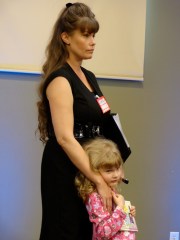
Holmgren elaborated on this theme at the 2010 NCSBS conference, in a multimedia presentation that illustrated how effective he must be in front of a jury. He projected a series of quotes from defense expert testimony while Pinnochio’s nose grew on a larger screen behind him. He charged the witnesses with giving conflicting opinions at different times, misrepresenting their qualifications, misquoting the literature, publishing case studies without revealing their roles as defense witnesses, publishing cases of alleged mimics without revealing that abuse was confirmed by a conviction, and “making blatantly false statements.” scarecrow

The session ended with a sing-along, led by guitar-playing child-abuse pediatrician Dr. John Stirling from Santa Clara County. The song was “If I Only Get Ten Grand” (words here), sung to the tune of “If I Only Had a Brain,” with the message that defense experts are in it for the money. I can speak only from my own experience, but the professionals I know who defend against shaking allegations could be earning a lot more and enduring a lot less flak by staying away from the controversy. And most defendants are having trouble paying the rent in the face of lost income and unexpected legal costs, let alone finding the money for expensive experts.

Holmgren also foreshadowed parts of the Disssent paper in his presentation on the Smith case at the 2012 NCSBS conference, “SBS and the Supreme Court,” in conjunction with child-abuse pediatrician Dr. Randell Alexander. Holmgren opened his segment with a review of the appeals:  Smith was convicted in 1997, and her first appeal was rejected in 2000. Her 2006 habeas petition was denied by a district court, but the Ninth Circuit Court of Appeals reversed that decision. “This always bothers me,” Holmgren said about multiple appeals, “as if the jurors are too stupid to get it right, as if the district attorney is too stupid to get it right.” The Supreme Court reversed the Ninth Circuit twice, in 2007 and 2010, but the Ninth Circuit stuck by its decision. “The Supreme Court keeps slapping them down like an unruly child,” Holmgren noted.

Finally, in 2011, the Supreme Court definitively reversed the Ninth Court’s 2006 ruling, and Smith’s conviction was reinstated, but with the problematic minority opinion. Holmgren stepped through the literature cited in the footnotes—Donohoe 2001, Bandak 2005, Leestma 2006, and so on—dismissing each in turn, and indignant that a justice of the supreme court would be getting her information from defense experts. His conclusion with Moreno in the Dissent paper confirms that Holmgren is holding strong to that position:

“The Smith dissenters’ myopic view of the evidence muddies their analysis of the legal and scientific questions and raises real concerns about the message sent to future courts, the media, and the public.”

I don’t see how the Dissent paper is gong to enhance either understanding or justice in these cases, as I think we need to be learning more about infant head injury, not setting up barricades against further discussion. ©2014 Sue Luttner If you are not familiar with the debate surrounding shaken baby syndrome, please see the home page of this site.

8 Comments

Filed under abusive head trauma, AHT, Falsely accused, Innocence Network, keith findley, National Center on Shaken Baby Syndrome, parents accused, russell maze, SBS, shaken baby syndrome

Medill Database Opens With a Geography Lesson

medililMap

2020 Update:  The Medill Justice Project has reorganized and refocused, eliminating the shaken baby project.

This post is the only record I can find of the statistics published in 2012. The links on this page that no longer work have been deactivated.

A year and a half after calling for cases to build a database of shaken baby syndrome accusations, the Medill Justice Project has published a thin slice of its data, in conjunction with its analysis of how cases are distributed across the country. The view into the database is very narrow, but the county-by-county searches can be fascinating.

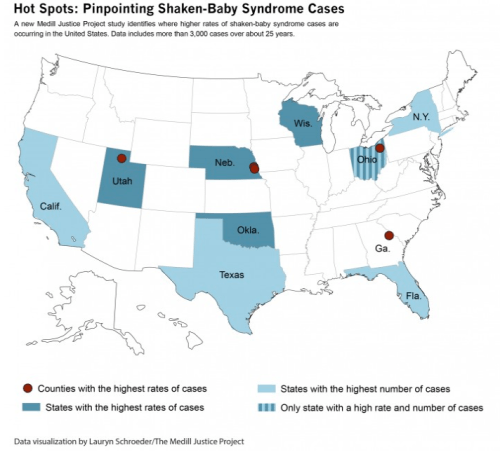
As Lauryn Schroeder writes on Medill’s SBS site, the rates of reported baby-shaking vary widely across the country. She offers a map of SBS hot spots and examines the situations in the states and counties with the highest concentrations, which seem to this reader to correlate with regional child-protection strategies that encourage police and hospitals to work together. The county that prosecuted immigrant father Hang Bin Li last year, for example, makes Schroeder’s list:

Queens County, N.Y., which lies southeast of Manhattan, has the 10th largest population by county in the United States and ranks third in the nation for total number of shaken-baby syndrome cases. After adjusting for population, it ranks 36th in cases by county per 100,000 people. Experts said the Queens County District Attorney’s Office is nationally known for aggressively prosecuting shaken-baby syndrome cases. The office also co-sponsors an annual conference with the county medical examiner’s office on abusive head trauma that invites medical and legal professionals nationwide to learn about the diagnosis, investigation and prosecution of these cases.

“A poor investigation doesn’t help anyone,” said Queens County Senior Assistant District Attorney Leigh Bishop. “I wouldn’t have a job if there was just a formula to prosecuting these cases. They’re all different.”

Two of the four counties with the nation’s highest rates of reported shakings lie adjacent to each other in Nebraska, where state law mandates multidisciplinary teams that include police, social services, and medical professionals for investigating child abuse. Schroeder quotes a prosecutor in Sarpy County, just south of Omaha, who explained that the different agencies on the team “review the cases together and if they need help they assist each other… [The law] added continuity and consistency in the area instead of having multiple agencies try and tackle a problem independently.”

medillBars

For a readable image, see the Medill web site: http://www.medilljusticeproject.org/2013/12/10/hot-spots/

Medill has posted only the barest data about each case:  the sex of the presumed perpetrator, the state, and the county. I tried searching my own county, which is reported to have had a population of 1.84 million in 2012. The Medill database, available directly at http://www.medilljusticeproject.org/visualization/, lists four cases.

Tipped off by Schroeder, I then searched on Queens County, with a reported population of 2.27 million in 2012. Medill lists 28 cases in Queens, literally seven times as many as in my county, for a population not quite twice the size.

When I searched for Middlesex County, Massachusetts, where Louise Woodward was prosecuted in 1997, with a 2012 population of 1.54 million, just a little smaller than my 4-case county, Medill reported 18 cases—and Middlesex didn’t even make the cut for the story.

It’s hard to know, of course, how accurately the Medill numbers reflect the true incidence of SBS reports, given the lack of any national mechanism for tracking them, but the students seem to be doing a reasonable job, as reported in this posting last February.

The introduction to the database invites us in:

The Medill Justice Project hopes the public will use this database to better understand this largely opaque issue, which affects families throughout the nation. The information may be used for independent research and reporting as long as The Medill Justice Project’s database is credited.

The data now available reflect the information the project has reported on  so far: A posting in August revealed that men are much more likely to be accused of shaking infants than women:  http://www.medilljusticeproject.org/2013/08/27/the-gender-gap/  I’m hoping the students will make additional fields visible as they complete future analyses.

7 Comments

Filed under abusive head trauma, AHT, SBS, shaken baby syndrome, Uncategorized

An Important Story, Well Told

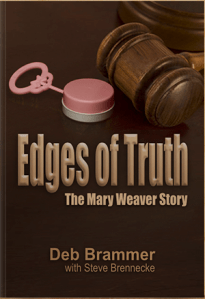
EdgesOfTruthI first heard about Mary Weaver in 1998, in a prescient ABA Journal article by Mark Hansen, who called her “a poster child” for caretakers falsely accused of shaking babies. Weaver’s conviction was overturned in 1997, Hansen wrote, after new witnesses came forward to report that the 11-month-old who quit breathing in her care had been knocked unconscious in a fall earlier in the day.

Weaver’s attorney Steven Brennecke told me then that he wanted to write a book about the case—and now he has, in collaboration with Christian writer Deb Brammer. Edges of Truth: The Mary Weaver Story is being released on Friday, November 22, 2013.

Edges follows both Weaver and Brennecke closely, from the terrifying meltdown through the unthinkable accusations, three full-on trials, a glacier of appeals, and two years in prison for Weaver. I admit I was impatient at first with the pacing, but when I realized the ultimately reflective nature of the narration, I gave myself over and was glad I did.

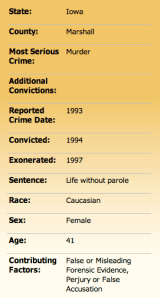
A summary of Mary Weaver's case, from the National Registry of Exonerations.

A summary of Mary Weaver’s case, from the National Registry of Exonerations

Like It Happened to Audrey and When Truth No Longer MattersEdges illustrates how an early diagnosis of infant shaking can mislead investigators into targeting an innocent caretaker. But Edges also follows the spiritual journeys of the protagonists. While reading her Bible and talking with the prison chaplain and his wife, Weaver realizes she is living her ministry, but not by preaching: God has brought her to a place where others are comforted by the peace she carries with her, a peace made possible by her faith. The experience for her husband and young children is more about survival, while Brennecke faces his own spiritual crisis, as his best efforts as an attorney leave a woman he knows to be innocent in prison, and two children without their loving mother.

Myself, I was struck by the universal nature of the messages:  There are things you have no control over; your only option is to control how you respond, for example.

Three personal tales of women ultimately exonerated of infant shaking have been published in the past year—the stories of Mary Weaver, Audrey Edmunds, and Heather Toomey—all of them moving and sobering. I do look forward to wrapping up my own book and adding it to the shelves, although my protagonist was never exonerated, alas.

What I really want is for the people who make these diagnoses and pursue these prosecutions to  think more carefully when presented with cases of infant head injury. I am so weary of innocent parents and babysitters flattened by the opinions of people who have never even heard what the caretaker had to say.

I posted a blog entry about Weaver’s case this past spring, and the National Registry of Exonerations has posted this summary of her story.

If you are not familiar with the debate surrounding shaken baby syndrome and infant head trauma, please see the home page of this site.
12 Comments

Filed under abusive head trauma, AHT, Falsely accused, SBS, shaken baby syndrome

“Scenes of a Crime” Hits Home, Hard

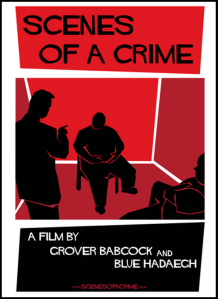
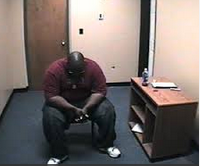
Dr. ScenesOfACrime copyAfter watching “Scenes of a Crime” over the weekend, I now know why this potent documentary has garnered so much praise.  Filmmakers Grover Babcock and Blue Hadaegh have interspersed actual footage from the lengthy police interrogation of an accused father in Troy, New York, with excerpts from Reid Technique training films and commentary by key players in the case. The result is a clean, careful, and gripping illustration of how a man can be manipulated into confessing to a crime he didn’t commit. The film is especially relevant in the child abuse arena, as it also documents a hasty and inaccurate diagnosis of inflicted infant head trauma that triggers a legal nightmare. As explained in a film review by astute critic Kenneth Turan at the Los Angeles Times:

What is perhaps most remarkable about this case is the way it began. When police went to the hospital to look into the death of [Adrian] Thomas’ son, they were met by Dr. Walter Edge, who not only told them that the infant had died of a fractured skull but added, in no uncertain terms, “somebody murdered this child.” Roused to action by this declaration, detectives looked around for likely suspects, saw one in the infant’s very large father, and turned the situation into a self-fulfilling prophecy. Armed with the zeal of the righteous, they believed nothing would do unless Thomas could be made to confess in exactly the way they thought he should. Which is what eventually happened.

At the risk of ruining the suspense, Thomas’s son Matthew did not in fact have a fractured skull—nor did he show any bruising, grip marks, or other external signs of either shaking or impact—and laboratory tests later revealed a serious systemic infection, missed by not only the treating doctors but also the pathologist who performed the autopsy. adrianThomasThe most chilling aspect of “Scenes” is the unshakeable confidence of the police and prosecutors, who never look back even as the medical evidence unravels. In the course of a 9-hour interrogation over two days, detectives Adam Mason and Ronald Fountain lie to their suspect—repeatedly and cruelly—threaten to target his wife, argue with him, pretend to befriend him, pray with him, hug him, and flatly reject his repeated denials. “You want to save your son’s life, man?” Mason asks at one point, “Why are you holding out on me?” scalesThe detectives start their investigation with two suspects, Thomas and his wife, the only adults in the apartment when Matthew’s breathing problems started. They eventually tell Thomas, falsely, that his wife is blaming him, and if he doesn’t confess they will go after her. “My wife is a good wife,” he tells them. “I don’t believe my wife did that, but if it comes down to it, I’ll take the blame for it.” Detectives explain that he can’t just say he wants to take the blame, he has to tell them exactly how it happened, convince them that he did it. Viewers of the film have an advantage over members of the jury when watching the interrogation footage, a commentary by sociologist Richard Ofshe, emeritus professor at the University of California at Berkeley, who has spent decades studying why innocent people make false confessions. Thomas’s attorneys planned to call Ofshe to the stand, but Judge Andrew Ceresia approved a prosecution motion to exclude his testimony. After watching “Scenes,” I found myself more annoyed than usual by news coverage that treats the prosecution version of an infant head injury as truth, like the case summary provided in the report filed by Bob Gardinier at the Times Union in 2012, when an appeals court rejected Thomas’s petition:

Three times, Thomas threw his son on a bed in September 2008, inflicting brain injuries that resulted in the infant’s death. The defense maintained the baby died from sepsis, an aggressive bacterial blood infection.

I don’t know how the wildly different opinions about cause of death were presented in court, but Rensselaer County assistant district attorney Arthur Glass explains on camera that prosecution pathologist Dr. Michael Sikirica did not deny that the child had a systemic infection—although he did not mention it in his autopsy report—but the doctor believed that “the sepsis was secondary to the head trauma.”

Melissa Calusinski

Melissa Calusinski

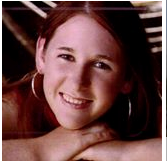
This resistance to new input was echoed this past summer in a prosecutor’s response in Lake County, Illinois, after a new coroner, Dr. Thomas Rudd, reopened the 2011 murder conviction of day care worker Melissa Calusinski. Unconvinced by the original reports and slides, Rudd prepared a set of iron stains, which confirmed the presence of an older brain injury the day the boy quit breathing in Calusinki’s care, in January of 2009. Although even the original pathologist, Dr. Eupil Choi, agrees with the new findings, the state is fighting a new trial for Calusinki, according to this report by Ruth Fuller in the Chicago Sun Times:

Lake County’s top prosecutor said that even if the new findings of Choi are correct, Calusinski should still be held accountable for Benjamin’s death if her actions, at the now closed Minee Subee in the Park day care center, exacerbated his injury. Lake County State’s Attorney Mike Nerheim, elected to the job in 2012, has worked to restore the reputation of an office beset with several wrongful convictions, a record that has drawn national attention. But in Calusinski’s case, Nerheim said he reviewed the new findings and believe they simply rehash the defense’s arguments at trial. Nerheim said he has found nothing to give him pause about the guilty verdict.

Like Thomas’s attorneys, Calusinski’s defense team had consulted forensic neuropathologist Dr. Jan Leestma. In Thomas’s case, Leestma requested additional tests that confirmed an infection that was caught in the initial blood work but never followed up. In Calusinski’s case, Leestma concluded from the original reports, photographs, and slides that the toddler had an older brain bleed the day he died, as confirmed later by Rudd’s further analysis. From the 2011 trial coverage by Tony Gordon at the Daily Herald:

Leestma said it was possible Benjamin had severely aggravated the existing injury by throwing himself backward and striking his head on the floor, as the defense has claimed throughout the case. He also dismissed the notion of the force that killed the toddler being equal to a one- to two-story fall, saying the injuries an infant would suffer from such an event would be dramatically more severe than what killed Benjamin.

Like Thomas, Calusinski had broken down after hours of interrogation and given the police the story they were after, the “confession” that sealed her conviction.

January 2015 update:  48 Hours has prepared a riveting documentary about Melissa Calusinki, “Blaming Melissa.”

I am grateful to the people who made “Scenes of a Crime,” which I think will help educate the public about the reality of coerced confessions. I wish only that the film had also been able to address the unanswered question:  Why the doctors were so sure Matthew Thomas had been murdered. (If you don’t know the almost certain answer, please see the home page of this site.) You can rent “Scenes of a Crime” through a number of on-line sources, as described on the home video page of the film’s web site.

February 2014 update:  An appeals court has vacated Mr. Thomas’s conviction, reported here. You can read the decision here. June 2014 update:  Adrian Thomas was found innocent in a second trial, reported here.

10 Comments

Filed under abusive head trauma, AHT, coerced confessions, Falsely accused, parents accused, Reid Technique, SBS, shaken baby syndrome

A Triad of Successful Filings

The accusations, arrests, and convictions continue, but three different  filings have brought once-settled infant head injury cases back into the courtroom.

New Legislation Leads to Quick Action

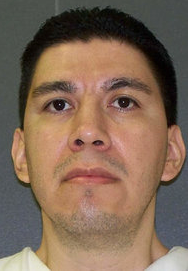
texasIn an exciting illustration of effective reform, a new Texas law opened the door for a motion on behalf of Robert Avila, convicted in 2001 of murdering his girl friend’s toddler and currently scheduled for execution in January of 2014.

As reported in The New York Times, Mr. Avila claimed he was not in the room when the 19-month-old was injured, and learned that the little boy wasn’t breathing only when the child’s 4-year-old brother came and told him. Pediatric surgeon Dr. George Raschbaum testified that the toddler’s injuries were so severe that the larger boy could have caused them only by jumping on his brother from a height of 20 feet.

Robert Avila

Robert Avila

The recent law, SB 344, allows the court to grant a new trial if the forensic science in the case has evolved. Avila’s attorney, Cathryn Crawford of the Texas Defender Service, solicited affidavits from experts who have been researching infant head trauma, including forensic pathologist Dr. John Plunkett and biomedical and biomechanical engineer Dr. Chris Van Ee. Van Ee’s laboratory re-creation of the presumed event concluded that an 18-inch fall by the 4-year-old onto the younger boy could have produced the fatal injuries.

Judges heard arguments on the motion from both sides on Wednesday, Sept. 11. Avila’s attorneys are requesting a postponement of his January, 2014 execution date, to allow for a full resolution of the issues.

Michigan Judge Declares Mistrial

Leo Ackley's Facebook profile shot not long before the accusations

Leo Ackley and Baylee Stenman

Meanwhile in Michigan, a judge has declared a mistrial in last spring’s conviction of Leo Ackley for the presumed murder of 3-year-old Baylee Stenman, his girl friend’s daughter. Ackely said at the time that another child reported hearing a thump from the girl’s room. When he went to investigate he found Baylee on the floor:  He’d assumed she’d fallen from the bed.   The medical examiner, however, testified that a fall from a bed could not have caused the fatal injuries, and other doctors reported finding “classic” signs of abuse.

Apparently, jurors heard no evidence that some experts believe short falls can be fatal—such as Dr. Werner Spitz, a pathologist whose opinion was solicited for the appeal by Ackley’s new attorney, Andrew Rodenhouse. The local television station WoodTV quoted Rodenhouse:

“More and more forensic pathologists are looking at this and questioning the science, because its tough to determine how much force it takes to kill a child.”

Newfoundland Reconsiders Pure Shaking Case

Thirdly, in Newfoundland, another judge has declared a conviction unsound based on new arguments about the science behind abusive infant head trauma.

The case against Colin James Matchim seems to have involved allegations of pure shaking. His current attorneys convinced the court to hear new aguments in June, as described in The Western Star:

A hearing of the application concluded in June. It saw medical experts from around the world testify, and included complex medical evidence that delved into the widely debated issue of Shaken Baby Syndrome and its validity.

False Conviction Rates in The News

And finally, with thanks to the Wrongful Convictions Blog for the tip, all of these revisitations of convictions have come just as Jim Petro, the former attorney general of Ohio, has published an editorial calling our nation’s current false conviction rate “intolerable.”

He opens his editorial in the Akron Beacon Journal with the provocative question,

“Would you get on an airplane if there were a 2.3 percent chance it would crash?”

Petro is the co-author, with his wife Nancy Petro, of the book False Justice—Eight Myths That Convict the Innocent.

If you are not familiar with the debate surrounding shaken baby syndrome and pediatric abuse head trauma, please see the home page of this blog.

9 Comments

Filed under abusive head trauma, AHT, SBS, shaken baby syndrome

Shaken Baby Doubts Keep Surfacing

As the improbable accusations, heart-wrenching convictions, and dogged appeals accumulate, the press is running more stories about disputed diagnoses of shaken baby syndrome.

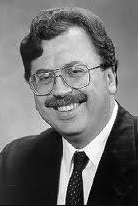
Prof. Adele Bernhard

Law professor Adele Bernhard

In upstate New York, for example, the Democrat and Chronicle has run a two-part series of what it calls “Watchdog Reports,” with independent text and video treatments.

Part I, “Shaken baby science doubt grows,” features a complex and thoughtful text piece about child-care provider René Bailey, whose 2002 conviction is now being appealed by Professor Adele Bernhard and her students at Pace Law School’s Post Conviction Project. The story includes an intriguing tale told by a new witness, the woman who later cared for a 2-year-old boy who was also at Bailey’s house that day. She says that he seemed to be re-enacting the fatal incident during spontaneous play, again and again with stuffed animals, as a leap from a chair.

Michael Tantillo Ontario County District Attorney

District Attorney Michael Tantillo
Ontario County, New York

The video offers statements from both sides: Ontario County District Attorney Michael Tantillo says the “vast majority” of experts are comfortable with the diagnosis once known as SBS, now called abusive head trauma. Defense attorney William Eastman expresses his skepticism without explaining that he was part of the team that represented Barbara Hershey, 67 years old when she was convicted in 2007 for the presumed shaking death of her 4-month-old grandson. Hershey was released in 2011, after her sentence was reduced in a proceeding that did not address the validity of the diagnosis. Like so many women in her position, Hershey has had the support of her family from the beginning.

Part II of the series, “Shaken-baby triad still rules in New York courts,” devotes both the text and video segments to Hershey’s case—the treatments are different, though, and the commercial before the video is only 15 seconds, so I recommend both reading and watching.

Decision Returns Quashed Conviction to the Headlines

ECHRA European human rights court, meanwhile, has declined to order compensation for accused mother Lorraine Allen, whose 2000 conviction for presumably shaking her son to death was reversed in 2005. Ms. Allen says she was not surprised at the decision, but is bitterly disappointed that she still has no visitation rights with her surviving son, born after the charges were brought and adopted out against her will.

Allen’s case is one of the last in which Dr. Waney Squier testified to the mainstream model of shaken baby syndrome, repeating on the stand what she’d learned from her medical mentors and colleagues: that the boy’s combination of subdural hematoma, retinal hemorrhages, and encephalopathy represented a shaking injury.

Dr. Waney Squier, at the 2009 Evidence-Based Medicine Symposium Denver, CO

Dr. Waney Squier,
at the 2009 Evidence-Based Medicine Symposium,
Denver, CO

Dr. Squier realized the model was wrong over the next couple of years, she has said, based on her experiences with cases like Allen’s and the work of Dr. Jennian Geddes. “By then it was far too late for my family,” notes Allen, although Dr. Squier did help overturn her conviction—after Allen had already served her time in prison and lost both her sons and her marriage to the accusations. At the time of his death in 1998, four-month-old Patrick had no bruises, grip marks, neck injury, or other signs of violence, only the pattern of intracranial bleeding and swelling that at the time was considered proof of abusive shaking.

The current coverage focuses on whether the vacation of Allen’s conviction was an actual exoneration, as explained in this report from The Guardian:Lorraine Allen denied compensation after being wrongfully jailed for killing son.”

The diagnosis in this case was made in the face of this extraordinary history:  On December 4, 1998, 4-month-old Patrick received his third round of immunizations. At 1 am the next morning, Allen called her doctor with a report that the boy was having trouble breathing. Dr. Barber made a house call and found the child a little “snuffly” and with a slightly elevated temperature, but otherwise fine. He left the home at about 1:30. An hour later, Allen called for emergency help with an unresponsive child. Patrick was resuscitated and placed on life support, but he never regained consciousness and died two days later. Prosecutors concluded that Allen had violently shaken her son after the doctor’s visit and before the emergency call.

For a solid account of the case, written last year for The Justice Gap by a consultant to Allen’s defense team, please see “Shaken Baby Syndrome—And the Fight for Justice.

Articulate Voices Speak Out

Back in the States, the Medill Justice Project has put together its best shaken baby video yet, including a rare interview with law professor Deborah Tuerkheimer, who has caused major waves the past few years with her journal articles and New York Times op ed piece.

Series Examines the Role of Social Services

And moving north again, the Weekend Telegram in Nova Scotia has run a thoughtful three-part series featuring a familiar tale:  An infant with previous health issues removed by social workers who believed the little girl had been shaken—in this case, even though doctors deemed the evidence against the mother too murky for criminal charges.

Part 1 “Guilty until proven innocent

Part 2 “Justice at a heavy price

Part 3 “Victims of tunnel vision,” which introduces the case of Audrey Edmunds.

Judge Listens to Parents

A High Court judge in Britain has declined to remove three children from the care of their parents, despite findings of subdural hematoma in each of their offspring. The judge seems to have been swayed by the family’s complex medical history, as explained in the coverage on the web site This Is Cornwall:Parents win battle to keep their children out of care.”

Misdiagnosis Prompts Bill

Finally, a family in the southern U.S. has enlisted the help of their legislator after social services restricted access to their older children because of an abuse report triggered by retinal hemorrhages in their infant’s eyes. A follow-up evaluation found no evidence of abuse and attributed the infant’s death to a bad reaction to medication, but the family was disrupted for 5-1/2 months while the paperwork caught up to them.

As the child’s mother noted, “We were kind of guilty until proven innocent.”

Television station KATC in Layfayette, Louisiana, offers both video and text coverage on their web site, at “Iota family fighting for new legislation after misdiagnosis forces call to child services.”

Business Goes On as Usual

Despite all of these developments, the accusations continue—and the interrogations and the prosecutions. Just in the last couple of days, for example, young men who initially denied any abuse have become confession statistics:

Father Accepts Plea Deal in Shaken Baby Investigation

Police:  Ogden Man Admitted To Shaking Baby in His Care

And a couple has been cast by the police and the press in the worst possible light after they sought medical help for their son, who was found to have symptoms “consistent with” shaken baby syndrome:

Couple arrested after baby found unresponsive

I suppose some or all of these people might be guilty, but myself, I see lots of room for innocence in all three cases.

-Sue Luttner

If you are not familiar with the debate surrounding shaken baby syndrome, please see the home page of this blog site.

4 Comments

Filed under abusive head trauma, AHT, Falsely accused, Innocence Project, parents accused, SBS, shaken baby syndrome

A Family Appeals Court Gets It Right

Decision questions validity of “constellation of injuries,” need for parents to admit guilt

An Illinois family fighting for custody of their children has received a refreshing decision from a state appeals court, which reviewed testimony from both the child-protection team and the family’s experts and concluded:

As vexing as this case appears, after a thorough, painstaking examination of the entire record, and in particular a detailed analysis of the expert testimony, we conclude that the trial judge’s finding of abuse and neglect cannot stand, and K. S. and Teresa G. have been thrust into a nightmare by well-intentioned, but misguided doctors and child protection specialists.

quilt

Like so many of these cases, this story started with a difficult birth:  The infant Y. entered the world precipitously, with the umbilical cord wrapped around his neck, on May 1, 2011. He was immediately whisked off for six hours of stabilization before being returned to his parents’ care.

Y.’s father took the month off work to be home with the family after Y’s birth. Both parents noticed that their son’s behavior was much different from that of his older sister two years earlier: He occasionally gave out “yelps” that lasted for several seconds, and he exhibited unusual facial expressions. From the court opinion:

On May 9, [the father’s] sister came to stay with the family for a week. She too observed Y.’s unusual expressions, where he would look dazed with his eyes rolling up and side-to-side, which the family referred to as “drunk old man expression” or “dazed and confused.”

The parents reported their concerns at Y.’s well-baby appointment three weeks after his birth, and were advised to give him gripe water to fight indigestion.

When the child began vomiting during feedings at the age of four-and-half weeks, his mother called their doctor’s office, and at the advice of the on-call physician, she made an appointment for the following morning. The parents kept a close eye on him that afternoon, and they noticed slight twitching of his left hand and leg during a nap.

ToyOnBlanketThe twitching recurred the next day in the doctor’s office, where it was identified as seizure activity. The doctor sent the child and his parents by ambulance to the local children’s hospital, where his admission examinations reported no bruising, contusions, or other external injuries. All of his extremities showed a full range of motion, with no apparent pain.

A CT scan and MRI of the boy’s brain, however, revealed subdural hematoma and possible subarachnoid bleeding, as well as evidence of “restricted diffusion,” possibly reflecting a shortage of oxygen to the brain. A skeletal exam noted an abnormality on his left femur, near the knee, that might represent a healing fracture, for which the parents had no explanation.

During 9 days of hospitalization, Y. had a number of retinal examinations, with conflicting reports. For example:

On June 14, CMH resident Dr. Grace Wu examined Y. and found his retina to be attached and flat, with scattered retinal hemorrhages bilaterally and one small preretinal hemorrhage to his right eye. Dr. Wu also noted that the hemorrhages were greater in Y.’s right eye than his left. Supervising attending physician Dr. Yoon examined Y. immediately after Dr. Wu and noted bilateral, multilayer, retinal hemorrhages. Dr. Yoon noted the hemorrhages were too many to count and greater in the left eye than the right.

None of the ophthalmologists recorded either diagrams or photographs of Y.’s retinas, ordinarily a standard practice, making reconciliation of the different reports especially difficult.

Based on Y.’s “constellation of injuries,” the hospital contacted child protective services, who placed restrictions on the parents’ access to both children. Convinced that their son had an underlying medical condition, the parents arranged blood tests in July that measured the mother’s Vitamin D levels as “insufficient” (25 on a reference range of 30 to 100) and Y.’s levels as “deficient” (13 on a reference range of 30 to 100). Not only is Vitamin D essential for the formation of healthy bones, but lack of Vitamin D can also lead to clotting disorders:  The deficiency could explain both the bone abnormality and the subdural hematoma. These findings had no impact on the custody situation, however, or on the opinions of the doctors from the children’s hospital.

blanketEdgyThe parents brought in Stanford University neuroradiologist Dr. Patrick Barnes, who concluded from Y.’s imaging that his skeleton showed signs of rickets, the weakening of bones most often caused by a lack of Vitamin D. He also noted that Y. had more space than usual between his brain and his skull, a condition known as “benign external hydrocephalus” (BEH), which is commonly believed to make subdural bleeding more likely.

A second outside expert, neurosurgeon Dr. David M. Frim from the University of Chicago, concluded that both the subdural bleeding and the retinal hemorrhages could have resulted from the BEH:

After reviewing Y.’s brain images and medical records, Dr. Frim opined that Y. was born with BEH, that he likely sustained a hemorrhage during birth that caused him to be even more susceptible to additional hemorrhages and that these hemorrhages caused the seizures he exhibited when he was admitted to [the children’s hospital] on June 6, 2011. Dr. Frim explained that blood from the subarachnoid space surrounding the brain can travel to the retinas causing retinal hemorrhaging.

Based on the opinion of the child protection team, however, the state pursued its efforts to strip the parents of custody. The Public Guardian’s office, appointed to represent the children, asked for a judicial declaration of abuse and neglect of both Y. and his older sister.

At the evidentiary hearing, Dr. Kristine Fortin, one of the first pediatricians in the country to pass the new child protection specialty exam, rejected the rickets diagnosis and said that low Vitamin D levels do not necessarily lead to rickets. She accepted the BEH diagnosis but not its relevance:

Dr. Fortin acknowledged that Dr. Frim diagnosed Y. with BEH, but opined that even though some of the medical community believes BEH predisposes children to subdural hemorrhages, BEH could not account for all of Y.’s injuries.

The “proponents” in the case (the state’s attorney and the Public Guardians) called a total of seven medical witnesses, including a pediatric neurologist, a pediatric radiologist, a pediatric neuroradiologist, a pediatric ophthalmologist, a hematologist, and a pediatric orthopedist, all of whom attributed Y’s injuries to abuse. While conceding that no one at the hospital had considered the BEH diagnosis, one doctor said he had never diagnosed a case in his career, and another disputed Frim’s definition of the condition. One of the two doctors who rejected the rickets diagnosis had seen only the initial set of x-rays, which were of poor quality.

scalesDr. Barnes and Dr. Frim testified for the parents, repeating their earlier diagnoses of BEH and rickets. Pediatric orthopedic surgeon Dr. Christopher Sullivan also testified, saying that the abnormality on Y.’s left leg was “a classic finding for irregular calcification of normal bone growth, or rickets,” and adding that an actual fracture would have caused the child pain, which should have been noticeable to the treating physicians.

The parents also called a number of lay witnesses who testified that the two of them had been responsible, loving parents to both children.

The trial judge in 2012 reached a hybrid conclusion, declaring the parents to be “fit, willing, and able to care for their children” but also finding that abuse had occurred. The court held that “to conclude that all three of these infrequent to rare conditions came together at the same time to explain the minor’s condition was not reasonable.”

Despite the abuse finding, the court returned the children to their parents, but the Public Guardian’s office appealed the decision. Then the parents cross appealed, which resulted in last week’s ruling.

The appellate court’s decision includes two promising points:  A challenge to the “constellation of injuries” theory, and an objection to the requirement by social services that the parents admit to abuse before the family could be reunited.

Regarding the constellation of injuries, the court wrote:

¶ 146 The expert witnesses called by the proponents testified that each of Y.’s injuries could occur from trauma. Instead of evaluating and weighing the evidence and expert testimony as to each alleged injury, the trial court allowed the proponents to elude their burden of proof by claiming that the “constellation” of Y.’s injuries created a preponderance of evidence that he was abused. This “constellation” of injuries theory allowed the trial court to conclude that Y. had been abused even though not one of his individual injuries within the constellation had been proven to be by abuse and where highly experienced and credentialed, nationally recognized doctors provided well-reasoned medical explanations, albeit rare ones, to explain each of his injuries.

¶ 147 The proponents offered no evidence that an injury is more likely to be caused by abuse merely because a second injury is alleged to exist, particularly where there are reasonable nonabuse explanations offered for each of the individual conditions. Not only did the proponents fail to provide authority supporting their “constellation” of injuries theory, but they failed to identify any specific facts showing it should apply to Y. The “constellation” theory invited the proponents’ experts to improperly rely on assumptions about injuries outside their respective specialties to rule out nonabuse explanations for the injury under their direct evaluation. In contrast, the parents offered nonabuse medical explanations supported by expert testimony from nationally recognized, highly qualified doctors in specific fields of expertise to explain the individual conditions suffered by Y. Accordingly, the trial court erred in disregarding the parents’ medical experts’ diagnoses because a single, uniform medical condition could not explain every medical finding Y. presented.

And on the subject of admitting to the abuse:

¶ 153 The proponents fail to present any persuasive evidence supporting their conclusion that “meaningful therapy” cannot and did not occur in light of the parents’ unwavering claims of innocence of the abuse allegations. The proponents offer no support for their suggestion that an acknowledgment of abuse is a per se requirement for therapy to be considered meaningful. To require that the parents must “acknowledge” the truth of a trial court’s nonfinal findings of fact to be deemed to have had “meaningful therapy” has no precedent. Instead, we find the support offered for the proponents’ position to be a misreading of case law in which parents failed to make actual progress in therapy and, thus, were deemed unable to care for their children as a result of having not participated in meaningful therapy, a significantly different factual scenario from the one presented here. We completely reject any notion that parents should be declared unable to care for their children merely because they persist in their own belief of innocence of wrongdoing, particularly here where their insistence is supported by the evidence.

FDCThe family in this case had the resources to bring in their own experts and hire a private attorney for the initial trial. The appeal was handled by the Family Defense Center (FDC), a non-profit organization based in Chicago that advocates for families in the child welfare system. FDC Executive Director Diane Redleaf credited both trial attorney Ellen Domph and lead appellate attorney Melissa Staas with “outstanding lawyering” in this case, noting, “While we are delighted by the results in this case and hope it will serve as a strong precedent for other families, we realize that many wrongly accused parents do not have the same access to the resources necessary to demonstrate their innocence.”

For the full appellate court opinion: In re Yohan K. & Marika K., 2013 IL App (1st) 123472 (June 19, 2013)

-Sue Luttner

If you are not familiar with the debate surrounding shaken baby syndrome, please see the home page of this blog.

Leave a comment

Filed under abusive head trauma, AHT, SBS, shaken baby syndrome

Another Father Goes Down in the Far West

Juneau, Alaska

Juneau, Alaska

After four weeks of testimony and two days of deliberations, a jury in Juneau, Alaska, on Monday declared 24-year-old David J. Paul guilty of manslaughter but innocent of second-degree murder in the 2010 death of his girlfriend’s 4-month-old daughter.

Like so many children in these cases, the infant Rian Jambi Orr had a complex medical history, including a skull malformation discovered at autopsy. The prosecution’s case rested heavily on a confession that didn’t match the medical facts, and the trial featured testimony about comments the teenage mother made during the child’s birth.

David J. Paul was not Rian’s biological father, but he was her mother’s boyfriend when the girl was born:  He is listed as the father on her birth certificate and was described as a caring and gentle parent. He and Rian’s mother both say he was the one who got up with Rian early in the morning on August 9, 2010, and fed her a bottle—a few hours before her mother found her seizing and the couple rushed her to the hospital.

Mendenhall Glacier Juneau, Alaska

Mendenhall Glacier
Juneau, Alaska

Rian had no signs of an impact injury:  no bruises, no red marks, no skin swelling—and incidentally, no retinal hemorrhages—but she arrived at the hospital with subdural hematomas and progressive brain swelling. Radiology showed healing thigh and rib fractures. Paul was quickly barred from his daughter’s bedside.

Reporter Emily Russo Miller at the Juneau Empire has captured the tale in a series of compelling courtroom dispatches. In testimony on May 30, the detective in charge of the case said she had zeroed in on Paul as the perpetrator 20 minutes into their first conversation. On June 1, child-protection specialist Dr. Naomi Sugar explained that the healing fractures and bruises on Rian’s chest, even disregarding the recent brain injury, were enough to convince her the girl had been abused.

Paul insisted for a week that he had done nothing to hurt Rian. Three days after the girl’s death, however, police questioned him more closely, and he ultimately said he had accidentally dropped her on the bathroom floor the morning of her meltdown. According to the June 12 trial coverage, he added the statement a year later that he’d then made “one jerking motion” after picking her up.

The prosecutor, Assistant District Attorney Angie Kemp, acknowledged during closing arguments that Paul’s statements didn’t explain the injuries, but argued that his changing story hinted at a much darker truth. From the Empire coverage:

Paul’s statements to police do not “make perfect sense” in and of themselves, Kemp readily conceded. She said if the baby had truly been dropped from three feet on her head on the linoleum bathroom floor during her morning feeding on Aug. 9, there would have been external evidence of that, such as a bump, knot or fracture on the head, and, as the defense points out, none of the expert witnesses at trial asserted that the ‘one shake’ Paul admitted to could have caused the kind of fatal brain injuries Rian died from.

“There is more to what happened,” Kemp said. “And Rian’s not speaking for herself.”

Assistant Public Defender Eric Hedland argued that Rian suffered from a chronic brain injury that merely became symptomatic that morning. Pediatric neuroradiologist Dr. Patrick Barnes testified that the abnormalities on Rian’s x-rays looked like a Vitamin D deficiency, commonly known as rickets, not child abuse:

One by one, Barnes went through images of Orr’s CT scans and skeletal X-rays pointing out characteristic signs of rickets for the jury: the thinning or softening of her skull, beading of the growth centers around her ribs called “rachitic rosary,” curved leg bones that aren’t straight as they should be and fuzzy growth centers in her arm and leg bones instead of a thin white line.

The full-bore defense line-up also included forensic pathologist Dr. Jan Leestma, who said that shaken baby syndrome “probably does not exist”; bioengineer Toby Hayes, PhD, who said Rian’s neck would have broken at shaking forces lower than those required to cause the bleeding inside her head; and psychologist Deborah Davis, who explained how the Reid Technique for police interrogation can elicit false confessions.

Remarkably, even the prosecution pathologist acknowledged that he had found an extra bone in Rian’s head at autopsy. The prosecution’s questioning did not raise the issue, according to the Empire coverage, but Hedland brought it out on cross-examination:

When [prosecutor] Kemp asked Harruff if he observed evidence of chronic hematoma or anything that would suggest a coagulation problem, Harruff said no. Under cross-examination, Harruff told Hedland that he observed a bone in the baby’s brain, which is not normal, but that he could not identify it microscopically. He agreed that bones form in the brain when they are trying to fix something, and would probably take weeks to form.

The defense also researched the child’s birth and pre-natal records. Although I’m uncomfortable with the implications of blaming the mother for a crime that never happened, Hedland was only doing his job, putting on a thorough defense, when he called in a midwife and doulah who testified that Jaki Orr had ignored their nutritional advice during pregnancy and had been “risked out” of their program for non-compliance. Doulah Shayna Rohwer was apparently present for the birth in a more mainstream medical facility:

… Jaki’s doula who was present during the baby’s birth testified that Jaki made statements during labor, such as, “This isn’t what I wanted.”

“She repeatedly said, ‘This isn’t what I wanted,’ ‘This isn’t good,’ ‘This isn’t right,’ and I knew (it was) about her baby, presumably not about the birth itself, which is sad,” Rohwer said.

juneauMeadowMyself, I consider those reasonably mild statements from a woman in the midst of labor, but I was still shocked that the testimony was allowed in the courtroom.  Then I realized that the trial time devoted to Paul’s confession made this testimony appropriate:  We should give about as much credence to statements made during unmedicated childbirth as we give to statements made after three hours of the Reid Technique.

The trial also featured a judicial wrinkle:  After the prosecution rested, Juneau Superior Court Judge Philip Pallenberg dismissed one of two second-degree murder charges against Paul, in response to a defense motion for acquittal. The Empire reported the judge’s reasoning:

“Murder two requires knowing that the conduct was substantially certain to cause death or serious physical injury, and as I said earlier, I don’t think anyone in this courtroom knows that shaking a baby is substantially certain to cause death or serious physical injury,” Pallenberg said. “I think we all know that it creates a risk of that. This requires much more than knowing there was a substantial risk. This requires knowing that it’s substantially certain.”

Although a finding of innocence on the murder charge, even with a manslaughter conviction, can seem like a victory, Hedland said he is disappointed and will appeal immediately. “I could have sat on my hands, and he shouldn’t have been convicted of murder,” he said. “My client is innocent.”

While the jury was deliberating, the Empire posted an interview with Paul’s mother, who is convinced of her son’s innocence. Some other articles from the series contain more details about the case, but because this blog is dedicated to the many victims of these tragic diagnoses, I am closing with this link to that story.

-Sue Luttner

If you are not familiar with the debate surrounding shaken baby syndrome, please see the home page of this blog.

3 Comments

Filed under Uncategorized

Good Medicine: Connect at a Conference

Biomechanic John Lloyd, PhD, reviewing medical imaging with a parent at the 2012 EBMSI conference.

Biomechanic John Lloyd, PhD, reviewing tissue properties and the laws of physics with Tonya Sadowsky at the 2012 EBMSI conference.

Two exciting conferences are coming up this summer and fall, one for people who want to understand more about the troubling diagnosis of infant abusive head trauma, and another for professionals eager to witness the evolving debate.

The Evidence Based Medicine and Social Investigtion group (EBMSI), which is hosting the August conference, is a remarkable organization to begin with, a coalition of families who have weathered abuse allegations and are now offering help to the newly accused. With an expanding circle of volunteers and supporters, founders Zabeth and Paul Bayne are holding their third conference this summer, August 2–4 in Surrey, British Columbia.

Zabeth and Bethany Bayne, August 2012

Zabeth and Bethany Bayne, August 2012. Zabeth and her husband were accused of shaking Bethany when she was just a few weeks old. The parents reported one of her older brothers had fallen on her.

The conference is intended both for accused families and for professionals and paraprofessionals who work with child abuse cases. The 2013 faculty includes published experts and front-line practitioners in the arena. The setting is intimate, and the schedule provides time for consultation with the speakers.

Last year I posted summaries of the talks by forensic pathologist Dr. John Plunkett and attorney Zachary Bravos at EBMSI. Other speakers this year include pediatric neuroradiologist Dr. Pat Barnes—who testified for the prosecution in the Louise Woodward case but has since revised his opinion—and pediatric bone expert Dr. Charles Hyman.

For information about the conference, please go to http://www.sbstriad.com/

2015 update: The conference information is no longer on line.

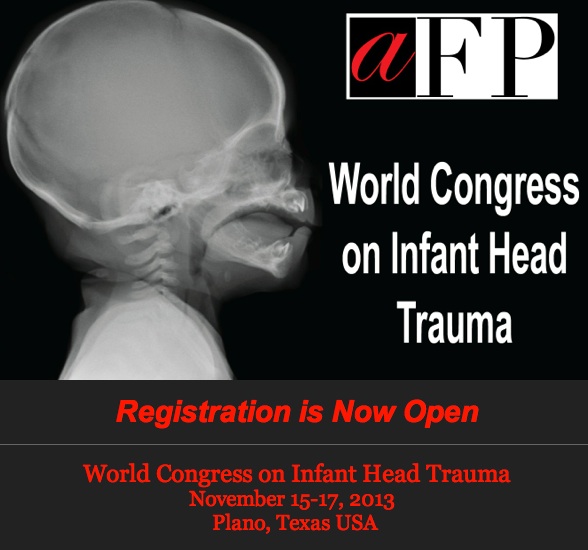
A group of forensic pathologists, meanwhile, is attempting to move the debate forward with a “World Congress on Infant Head Trauma,” November 15–17, at the Center for American and International Law in Plano, Texas.

The conference, sponsored by the publishing arm of the National Association of Medical Examiners, is intended to “find common ground and debate controversial topics in pediatric forensic pathology.”

The conference features a series of presentations and responses by each of two teams, whose specific positions are not articulated in the conference publicity.  One team is headed by forensic pathologist Dr. Greg Schmunk, the other by forensic pathologist Dr. John Plunkett.

Speakers will submit both written and oral arguments, and an editorial board will publish a summary of the dialog in 2014. Dr. Chris Milroy will act as conference director and editor-in-chief of the published proceedings.

The content is limited to head trauma, not the larger question of infant abuse, with a specific focus on shaken baby syndrome. From the web publicity:

During their presentations and submissions to the Editorial Board, contributors are asked to consider and answer (using an appropriate scientific basis) the question “is it possible that shaking an infant results in the classical triad?”

Exciting times in the arena.

2015 update: The World Congress web site is no longer up, and I’ve not heard anything yet about a published proceedings.

-Sue Luttner

If you are not familiar with the professional debate surrounding shaken baby syndrome, please see the home page of this blog.

2 Comments

Filed under abusive head trauma, AHT, Dr. John Plunkett, EBMSI conference, Falsely accused, SBS, shaken baby syndrome, Zachary Bravos

Forward, Into the Book Stores

audreyCover

Audrey Edmunds’s book was released in late 2012.

Just three years ago, the only books I could find about shaken baby syndrome told the prosecution’s story: Medical texts offered confident advice about  symptoms and  timing [1]. One  guide for practitioners, The Shaken Baby Syndrome: A Multi-Disciplinary Approach, specifically recommended the kind of seamless co-operation among hospitals, social services, and the police that has been winning convictions in these cases for thirty years and counting [2]. And a number of personal books told the stories of families ravaged by the loss of a precious child to presumed shaking [3,4].

Now the other storyline is hitting the shelves: Two women have already published books about their experiences as exonerated baby-shakers, and more works are on the horizon.

It Happened to Audrey

It Happened to Audrey is the memoir of Audrey Edmunds, a wife, mother, and child care provider who spent a decade in prison before her conviction was overturned in 2008 after an appeal by the Wisconsin Innocence Project.

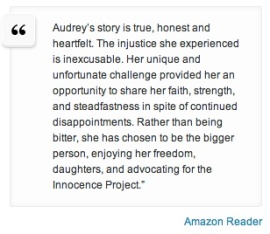
AudreyQuoteWritten with her friend Jill Wellington, a journalist, the book traces Audrey’s harrowing journey, from her horror and feelings of guilt the day a 6-month-old girl fell unconscious in her care, through the unimaginable accusations, trial, and years in prison for an assault that she knew had never happened. The experience not only shattered Audrey’s world but gave everyone around her a new perspective. In this excerpt, for example, a seasoned reporter sees a new side to the crime beat:

Meanwhile, my journalist friend, Jill Wellington, was working at a television station in Michigan the day after the verdict came in. Her hands trembled as she punched in the phone number for the Dane County Courthouse. “Hello, I’m a news reporter in Michigan and I’d like to get the verdict in the Audrey Edmunds case.”

“Well, of course, she’s guilty,” the woman who answered the phone replied tersely.

Jill was stunned at this abrupt, ill-considered comment. One of Jill’s coworkers knew a producer at Dateline, NBC. Jill called him and asked if he would investigate my case. A week later, she called the producer again and was shocked at his reply.

“I talked to some of the newspaper reporters who covered Audrey’s case,” the producer said. “They all say she’s guilty.”

Anyone who has been falsely accused of injuring a child will resonate with this book.  I hope it’s also read by social workers, investigators, and people who assume that an innocent person cannot be convicted in our justice system.

When Truth No Longer Matters

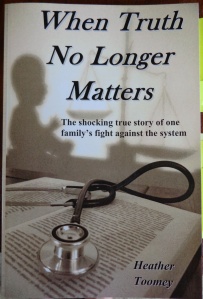
heather'sCroppedMeanwhile in Britain, accused parent Heather Toomey has written a remarkable account of her historic battle with social services, When Truth No Longer Matters.

Through unwavering focus and the support of extended family, Heather managed to keep herself, her husband, and their two young sons together while she and her husband fought accusations of shaking the younger boy. Seven years later, the child was diagnosed with a bleeding disorder that explained the subdural hematoma behind the original shaking diagnosis.

At the time, however, the Toomey family was branded as child abusers, under constant pressure to “tell the truth” so as to “clear up” what had happened to their baby. They abandon their home and move in with relatives, so as to satisfy the supervision requirements. They struggle to stay ahead of the financial burdens and attend unending court-imposed appointments. They tolerate frequent, intrusive visits; evaluations; interrogations; and bureaucratic hurdles, all while trying to maintain the kind of positive attitude the social workers demand.

“The authorities have taken a capable mother and turned her into a paranoid mess,” Heather writes, convincingly.

Finally, she and her husband give in to the pressure and sign a “threshold agreement,” in which they admit to failing their young son in return for having their case closed. She writes:

We still firmly believe that the cause is medical, but we have no doctor prepared to back up our belief . . .  whichever way we look at it, it is less of a leap to admit to failing him than it is to admit to abusing him.

With the parents subdued, their children’s names are removed from the “at risk” register, and the constant interference comes to an end. They are allowed to return to their own home. “The case conference concludes that there were never any concerns raised about us as parents or about the children’s welfare during the entire time of their involvement,” Heather recounts. “Our children have never been at risk from us, only from those who failed to  investigate anything other than suppositions and accusations.”

heatherToomehyTheir son’s bleeding disorder was diagnosed years later, after they’d been badgered into capitulation—but at least they’d kept their family intact.

Like Audrey’s story, Heather’s from-the-heart narrative will validate the experiences of accused parents and caregivers. Again, I hope the book also finds an audience among social workers, investigators, and prosecutors, who need to listen to the child-abuse experts, but not without keeping an open mind to the bigger picture.

You can read more about Heather’s story on her web site, at http://www.searchfortruth.co.uk/index.html

Edges of Truth: The Mary Weaver Story

Exonerated babysitter Mary Weaver has collaborated with ministerial writer Deb Brammer on a book about Mary’s ordeal, Edges of Truth: The Mary Weaver Storyscheduled for release in the fall of 2013. Weaver was one of the first babysitters convicted of shaking an infant in her care, in the early 1990s, and one of the first exonerations.

The tag line for the book is:

“When a baby is brutally murdered, an innocent babysitter is accused and uncertainty forces experts to define the edges of truth.”

Fall 2013 Update: Edges of Truth: The Mary Weaver Story is now available. I’ve posted this blog entry about it.

Vaccine-Induced Encephalitis

And a couple of years ago a physician and a journalist together published a book questioning one aspect of shaken baby syndrome, Shaken Baby Syndrome and Vaccine-Induced Encephalitis: Are Parents Being Falsely Accused? By Harold Buttram, MD, and journalist Christina England (AuthorHouse, 2011).

Spring 2014 update:  Law professor Deborah Tuerkheimer has now published her academic treatment of the subject, Flawed Convictions:  “Shaken Baby Syndrome” and the Inertia of Injustice.

copyright 2013, Sue Luttner

If you are not familiar with the controversy surrounding shaken baby syndrome, please see the home page of this blog.

Footnotes:

[1] Shaking and Other Non-Accidental Head Injuries in Children, by Drs. Robert A. Minns and J. Keith Brown, Mac Keith Press, 2006

[2] The Shaken Baby Syndrome: A Multidisciplinary Approach, edited by Drs. Stephen Lazoritz and Vincent J. Palusci, The Haworth Maltreatment & Trauma Press, 2001

[3] Grandma’s Baby: A True Story of One Family’s Struggle with “Shaken Baby Syndrome” and what they call “Shaken Family Syndrome,” by Karen Wise, R.N., Trafford Publishing, 2006

[4] What Happened to Christopher? by Ann-Janine Morey, Southern Illinois University Press, 1998

5 Comments

Filed under abusive head trauma, AHT, Falsely accused, Innocence Network, parents accused, SBS, shaken baby syndrome